As an affiliate, I earn from qualifying purchases, but this doesn't affect the reviews or recommendations—your trust is important to me!
Build Your Own Mini Greenhouse: Spring STEM Fun
Build Your Own Mini Greenhouse: Spring STEM Fun
The average teenager spends seven hours daily staring at screens, according to recent research. But here's what I discovered last spring: give that same teen a handful of seeds, some recycled materials, and a challenge to build something real, and suddenly those devices get forgotten on the counter.
I watched this unfold with my neighbor's 14-year-old daughter, Emma. She'd been glued to TikTok for months until her mom suggested building a miniature greenhouse for Earth Day. Two weeks later, Emma was checking her seedlings before school, documenting growth patterns in a handwritten journal, and texting photos of her sprouting tomatoes to her grandmother. The phone became a tool instead of a distraction. The greenhouse became an obsession in the best possible way.
Miniature Greenhouse STEM Project
The Purpose: Why This Project Matters Now
Spring offers the perfect window for a miniature greenhouse STEM project that combines engineering, biology, and environmental science. Your tween or teen gets hands-on experience with sustainable gardening while learning core scientific concepts like photosynthesis, condensation, and germination. Plus, there's something deeply satisfying about nurturing life from seed to plant—it builds patience and responsibility in ways that lectures never could.
Understanding Greenhouse Science Basics
Before your teen starts building, they'll benefit from understanding how greenhouses actually work. This isn't just arts and crafts—it's applied physics and biology.
A greenhouse traps solar radiation, creating a warm microclimate that extends growing seasons and protects delicate seedlings. Light passes through transparent walls, warming the air and soil inside. That warmed air can't easily escape, creating the perfect environment for plant growth. Water evaporates from soil and plant leaves, then condenses on the greenhouse walls before dripping back down—a mini water cycle right on your kitchen table.
Your teen can experiment with this mini greenhouse science project by testing different variables. What happens if they use clear plastic versus white? How does ventilation affect temperature? Should they place it near a south-facing window or use a grow light? These questions transform a simple craft into legitimate scientific inquiry.
The construction phase teaches engineering principles too. Your tween will problem-solve structural stability, figure out how to create tight seals without proper tools, and learn that sometimes the first design fails—and that's exactly how real engineers work. This small greenhouse building project mirrors the design process professionals use for actual agricultural greenhouses.
Materials and Construction Methods
The beauty of this DIY greenhouse STEM activity lies in its flexibility. You don't need expensive materials or specialized tools. Start with what you already have.
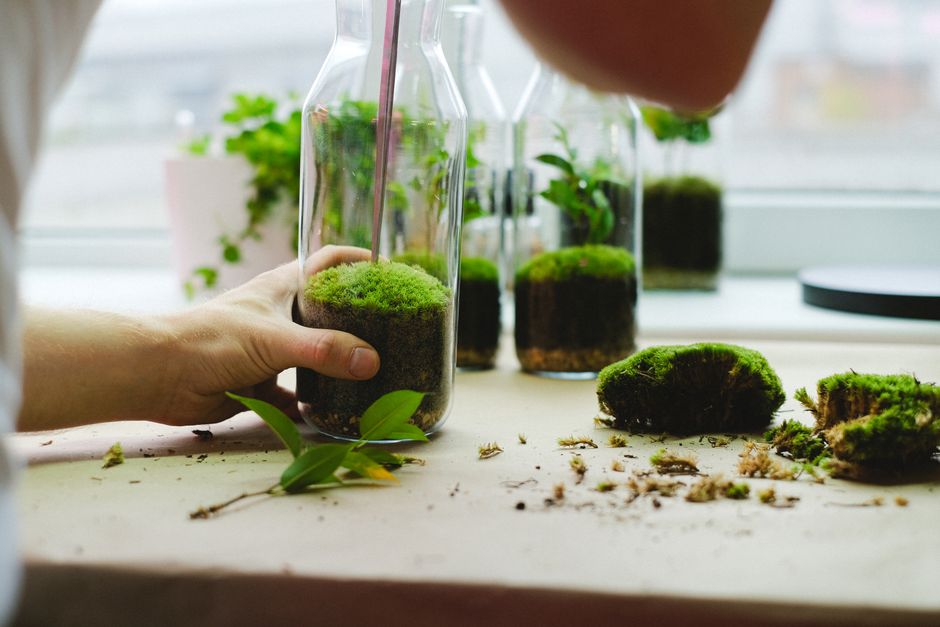
For a basic tabletop greenhouse DIY, you'll need a waterproof base (old plastic containers, aluminum baking pans, or wooden boxes lined with plastic), transparent covering (plastic wrap, clear plastic storage bags, or repurposed clear containers), and structural supports (popsicle sticks, bamboo skewers, or wire). Add potting soil, seeds, and you're ready to build.
The classic design uses a shallow container as the base, with popsicle sticks or skewers creating a frame that's covered with plastic wrap. But encourage your teen to get creative. One family I know used an old CD case—it already had a hinge and created perfect humidity. Another teen repurposed a clear plastic salad container from the grocery store, drilling small ventilation holes in the lid.
For older teens ready for more challenge, suggest an A-frame design using balsa wood and acrylic sheets from a craft store. This educational greenhouse craft requires measuring, cutting, and understanding angles—real geometry application. They'll need to cut pieces precisely, join them securely (hot glue works surprisingly well), and ensure the structure can support its covering without collapsing.
The seedling starter STEM project gets even more interesting when you add automatic features. A 15-year-old I worked with installed a small computer fan powered by a battery pack, creating temperature-controlled ventilation. Another used an old aquarium pump to create a self-watering system. These additions transform a simple project into an advanced greenhouse construction for kids that teaches circuitry and automation.
Planting, Growing, and Documenting Results
Once construction finishes, the real learning begins. This Earth Day greenhouse activity teaches patience and observation skills that benefit every area of life.
Getting Started with Seeds
Start with fast-germinating seeds that show results within days. Lettuce, radishes, herbs like basil, and flowers like marigolds work beautifully. Your teen will see sprouts within 3-7 days, maintaining engagement during that crucial early period. Later, they can experiment with slower-growing plants like tomatoes or peppers.
Creating a Research Journal
Documentation transforms this from a casual activity into a proper seed germination STEM project. Have your teen create a research journal tracking daily observations. Temperature readings, humidity levels (they can make a simple hygrometer or buy an inexpensive one), growth measurements, and sketches of plant development all contribute to scientific thinking.
Running Controlled Experiments
The plant growth STEM activity really shines when your teen runs controlled experiments. Plant identical seeds in the greenhouse and outside it, comparing growth rates. Try different seed varieties under the same conditions. Test various soil types. Adjust watering schedules. Each variable teaches the scientific method through direct experience.
Learning from Problems
Problems will arise—mold, damping off disease, seeds that don't germinate, structures that leak. Perfect. These aren't failures; they're data points. Your teen learns troubleshooting, resilience, and the iterative nature of real science. When something goes wrong, ask questions: "What do you think caused that? How could we test your hypothesis? What would you change for next time?"
Beyond the Greenhouse
This spring gardening STEM project naturally extends beyond the greenhouse itself. Seedlings eventually outgrow their starter home, leading to conversations about transplanting, outdoor garden planning, and seasonal growing patterns. Some families turn this into a summer-long journey, with greenhouse-started plants producing actual food by July. That cherry tomato your 11-year-old eats in August began as a seed in the homemade greenhouse science experiment they built in March—that's a powerful connection to understand.
Quick Wins: Start Here
Feeling overwhelmed? Start with these simple steps that guarantee success:
Use a rotisserie chicken container from the grocery store as your first greenhouse—it's already the perfect shape with a clear dome lid and drainage-ready base
Start with cress seeds which germinate in just 2-3 days, giving your tween immediate satisfaction and confidence
Place the greenhouse on a windowsill with morning sun—east-facing windows provide perfect light without overheating
Set a daily phone alarm for observation time, turning documentation into a consistent habit rather than something they remember randomly
Join the project yourself by building your own mini version alongside your teen; parallel play isn't just for toddlers, and you'll have better conversations while working side-by-side
Growing More Than Just Plants
This classroom greenhouse project works equally well at home, teaching skills that standardized tests never measure. Your teen learns to care for living things, to observe patiently, to troubleshoot when things go wrong, and to see a project through from planning to harvest.
The eco-friendly STEM activity also sparks important conversations about sustainability, food systems, and environmental stewardship. These aren't abstract concepts when your tween has literally grown food from seed. This sustainable gardening project for kids creates environmental awareness that sticks because it's rooted in direct experience.
Most importantly, this beginner greenhouse building activity gets your teen away from screens and into the deeply satisfying work of creating something real. Notifications can wait. The seedlings can't.
What Will Your Teen Grow?
What seeds will your family try first in your miniature greenhouse? Are you thinking herbs for cooking, flowers for beauty, or vegetables for summer salads?
Looking for ways to adapt this project for your specific situation—maybe you have limited space, a teen with special interests, or want to connect this to other learning goals? Reach out to WizardHQ@AngelinaAllsop.com with your questions. I'd love to help you tailor this project to make it even more relevant for your unique family.
 Ir directamente al contenido