As an affiliate, I earn from qualifying purchases, but this doesn't affect the reviews or recommendations—your trust is important to me!
Build Your Own Thanksgiving Gratitude Machine: Engineering Joy
Build Your Own Thanksgiving Gratitude Machine: Engineering Joy
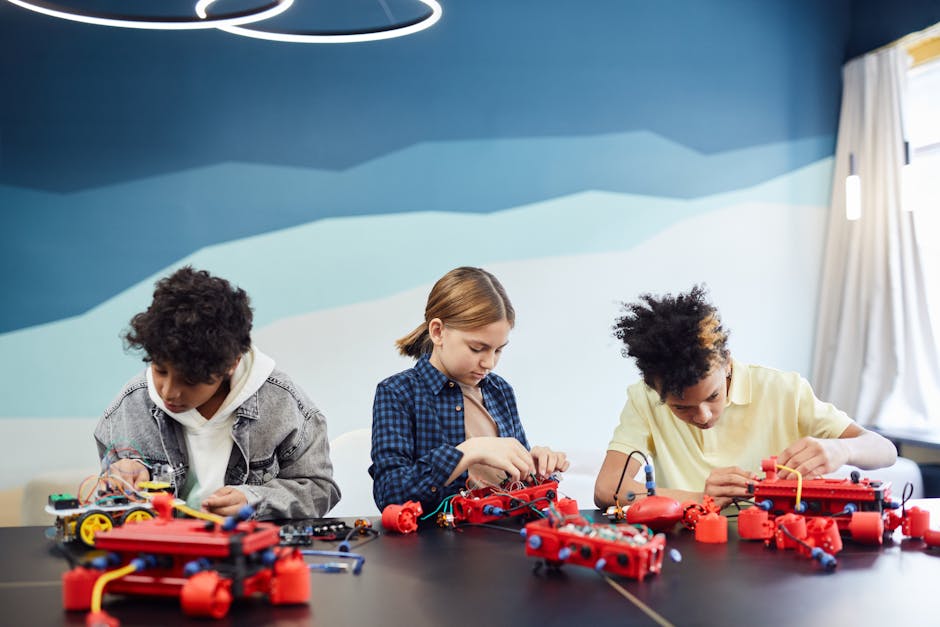
The average teen spends over seven hours daily staring at screens, according to recent studies. But last Thanksgiving, something remarkable happened in my neighbor's garage. Her 14-year-old son spent an entire afternoon building an elaborate contraption using cardboard tubes, dominoes, and toy cars—not because he had to, but because he wanted to. The goal? To create a chain reaction machine that would ultimately reveal things he was grateful for. No phones. No tablets. Just pure, hands-on problem-solving that brought the whole family together.
What started as a simple engineering challenge turned into the most meaningful Thanksgiving activity their family had ever experienced. The kids were engaged. The parents were amazed. And everyone discovered that gratitude paired with creativity makes for unforgettable memories.
Gratitude Chain Reaction Machine
The Problem with Traditional Gratitude Activities
Let's be honest—asking tweens and teens to sit around the dinner table and share what they're thankful for often results in eye rolls, mumbled responses, or the dreaded "I don't know." It's not that they aren't grateful. They just need a different way to express it.
Traditional gratitude exercises can feel forced and awkward, especially for kids who are naturally kinetic learners or who process emotions through making and doing rather than talking and sharing. Your creative, hands-on kid might genuinely appreciate their family, friends, and opportunities, but struggle to articulate those feelings in a conventional way.
That's where a DIY gratitude chain reaction machine comes in. This Thanksgiving STEM project for kids transforms abstract thankfulness into concrete action, giving your tween or teen a tangible way to express gratitude while exercising their engineering skills and problem-solving abilities.
What Is a Gratitude Chain Reaction Machine?
Think of it as a Rube Goldberg machine with purpose. A chain reaction machine (sometimes called a domino effect machine or marble run) is a deliberately over-engineered contraption that performs a simple task through a series of connected actions. When you add gratitude elements, each stage of the chain reaction represents something your child is thankful for.
Here's how it works: Your teen or tween designs and builds a machine using household items where one action triggers the next in sequence. At various points throughout the machine, they'll reveal gratitude messages, photos, or symbols. The final action might ring a bell, reveal a thankful message, or deliver a gratitude note to a family member.
The beauty of this thanksgiving engineering challenge is that it combines physical engineering with emotional expression. Your child gets to work with their hands, experiment with cause and effect, iterate through failures, and ultimately create something meaningful. It's STEM learning wrapped in gratitude practice, and it doesn't feel like either one.
The complexity level is entirely flexible. A nine-year-old might create a simple five-step machine using dominoes and a marble run, while a seventeen-year-old might engineer an elaborate twenty-step contraption involving pulleys, levers, and electronic elements.
Materials You Already Have at Home
One of the best aspects of this gratitude rube goldberg machine is that you don't need a shopping trip to a craft store or expensive supplies. Look around your home and you'll find everything needed.
Foundation and Structure Materials
Start with cardboard boxes, empty paper towel tubes, and shipping boxes you've been meaning to recycle. These form the base and pathways of your machine. Cereal boxes work beautifully as ramps and supports. Amazon boxes become sturdy platforms. Wrapping paper tubes transform into marble tracks.
Movement Creators
Marbles, toy cars, dominoes, and balls of various sizes will be the elements that move through your machine. Golf balls, ping pong balls, and even tennis balls work great. If your child collects action figures or small toys, these can become part of the chain reaction too.
Connection and Attachment Supplies
Gather tape (masking, duct, and clear), hot glue guns (with supervision), string, rubber bands, and paper clips. These are your machine's connective tissue—what holds everything together and creates the actual chain reactions.
Gratitude Display Elements
Post-it notes, index cards, markers, photos, and small frames allow your child to display their thankful messages throughout the machine. They might write one thing they're grateful for on a card that gets knocked over, or attach photos of loved ones to dominoes.
Bonus Engineering Elements
If you have them, include plastic bottles, funnels, spoons, wooden skewers, clothespins, mousetraps (used carefully), small cups, books for height adjustment, and old toys with wheels or moving parts. These elevate the complexity and creativity of the design.
How to Build Your DIY Gratitude Chain Reaction Machine
Step One: Brainstorm and List Gratitudes
Before touching any materials, have your child list 5-10 things they're genuinely grateful for. These become the "stations" or stages of their machine. Maybe they're thankful for their dog, their best friend, their favorite teacher, the ability to play soccer, and weekend family movie nights. Each of these will be represented somewhere in the chain reaction.
Step Two: Design the Flow
Sketch a rough blueprint together. It doesn't need to be detailed—just a general path showing how one action will trigger the next. Start simple: "A marble rolls down a tube, knocking over dominoes, which tip a book, which releases a car, which hits a bottle..." The gratitude messages get placed at each transition point.
This planning stage is where parents can offer guidance without taking over. Ask questions like "What happens after the dominoes fall?" or "How will that make the next thing move?" Let your child work through the logic while you serve as a thinking partner.
Step Three: Build in Stages
Here's the secret experienced builders know: construct and test your machine in small sections. Build the first two or three actions, test them repeatedly until they work reliably, then add the next section. Trying to build the entire machine before testing anything leads to frustration.
Your teen or tween will face failures—marbles that don't roll far enough, dominoes spaced too far apart, ramps at the wrong angle. This is exactly what makes the project valuable. They're learning persistence, iteration, and the growth mindset that comes from troubleshooting.
Step Four: Add the Gratitude Elements
Once each section works mechanically, add the thankfulness components. Write gratitude messages on cards that get knocked over. Attach photos to moving elements. Create a "gratitude reveal" where a curtain gets pulled back to show a collage of things your child appreciates. Make the final action something special—maybe ringing a bell or releasing a "thankful" banner.
Step Five: The Big Reveal
Invite the family to watch the completed machine in action. Your child explains what each section represents and why they're grateful for it as the chain reaction unfolds. Film it, because these contraptions rarely survive long, and you'll want to remember this moment.
Quick Wins: Start Here
If the full engineering challenge feels overwhelming, try these simplified approaches that still capture the gratitude machine magic:
The Simple Domino Gratitude Chain: Set up a long line of dominoes, writing one thing to be thankful for on every fifth domino. Watch them all fall in sequence as gratitude unfolds.
Marble Run Thank You: Build a basic marble run using paper towel tubes and tape. At each turn or drop, place a small gratitude note. The marble's journey becomes a journey through thankfulness.
Car Race Gratitude Track: Create a ramp for toy cars using cardboard, with thank-you messages along the track. The car "collects" gratitudes as it races down.
Book Topple Appreciation: Stack books in a pattern where one tips into the next. Attach sticky notes with gratitudes to each book spine. Simple but satisfying.
Ball Drop Kindness Machine: The easiest starter—place cups at different levels, each labeled with something your child appreciates. Drop a ball that bounces from cup to cup creating a gratitude cascade.
Engineering Gratitude Together
This thanksgiving maker project kids actually want to do offers something rare in our digital world—a chance to be present, creative, and intentional all at once. Your tween or teen isn't just building a contraption. They're building neural pathways that connect creativity with gratitude, problem-solving with emotional expression.
The mess of cardboard, tape, and scattered dominoes across your living room is temporary. The experience of creating something meaningful with your hands? That stays with them. The practice of thinking deeply about gratitude while engineering solutions? That becomes part of how they see the world.
You don't need to be an engineer yourself to guide this project. Your role is simply to provide materials, time, space, and encouragement. Your child's natural curiosity and creativity will fill in the rest.
What Will Your Gratitude Machine Look Like?
What's one thing your family is grateful for this Thanksgiving that could inspire your chain reaction machine? Will you build something simple together, or challenge your teen to engineer an elaborate contraption?
We'd love to hear about your gratitude machine adventures, and we're here to help you customize activities like this for your specific family. Reach out to WizardHQ@AngelinaAllsop.com with ideas on how to tailor this blog to make it more relevant to you and your unique crew.
Blog Post
Please provide the text content you'd like me to convert to HTML, and I'll format it as an optimized blog post with appropriate headlines, bold text, italics, and visual styling.
 Ir directamente al contenido