As an affiliate, I earn from qualifying purchases, but this doesn't affect the reviews or recommendations—your trust is important to me!
5 Fun Outdoor Fitness Challenges to Try Before Daylight Saving
5 Fun Outdoor Fitness Challenges to Try Before Daylight Saving
The sunset came at 5:47 PM yesterday, and I caught myself thinking about how quickly we're losing daylight. My daughter used to have time for a bike ride after homework, but now those October evenings feel rushed, almost frantic. If you're noticing the same thing, you're not alone. Research shows that teens lose an average of 30 minutes of daily physical activity when daylight saving time ends, and tweens aren't far behind. The combination of earlier darkness and dropping temperatures creates the perfect storm for increased screen time just when our kids need movement most.
But here's what I've learned over the years: these final weeks before we "fall back" offer something special. The air is crisp without being harsh. The leaves create natural obstacles and challenges. And there's an urgency that actually works in our favor. When kids know time is limited, they're often more willing to get outside and make it count.
Outdoor Fitness Challenges for Fall
Why Outdoor Fitness Challenges Matter Right Now
Your teen or tween is facing a genuine biological shift. As daylight hours shrink, their circadian rhythms adjust, melatonin production changes, and motivation naturally dips. It's not laziness. It's chemistry.
Outdoor fitness challenges during fall serve a bigger purpose than just exercise. They're banking vitamin D before the winter months. They're establishing movement patterns that can carry through darker days. And honestly, they're creating memories that have nothing to do with a glowing rectangle.
The phrase "use it or lose it" applies perfectly to these autumn weeks. Once daylight saving ends, that 5 PM sunset becomes 4 PM. Suddenly after-school outdoor activities feel impossible rather than just inconvenient.
Challenge 1: The Sunset Sprint Series
This outdoor fitness challenge takes advantage of our shrinking daylight in the most literal way possible. The goal is simple: your teen or tween tries to complete a chosen route faster each week as the sunset time gets earlier.
Pick a safe loop in your neighborhood or local park—somewhere between half a mile and two miles depending on fitness level. On the first attempt, they start at sunset minus 30 minutes. Each week, they start the same route five minutes earlier (matching the shifting sunset) and try to finish before dark.
What makes this autumn workout challenge so effective is the built-in motivation. There's something primal about racing against darkness that appeals to this age group. My son, who normally drags his feet about exercise, suddenly became obsessed with beating his previous times.
You can adapt this for different fitness levels. Younger tweens might power-walk. Athletic teens might actually run. The point isn't speed—it's consistency and improvement. Track times on a simple chart on your fridge. The visual progress creates momentum.
Consider joining them, even if you're slower. Some of my best conversations with my 14-year-old have happened during these sunset attempts when defenses are down and we're both just focused on moving forward.
Challenge 2: The Leaf Pile Bootcamp
This fall exercise activity outdoor turns seasonal yard work into legitimate fitness training. And yes, it counts as a workout—raking leaves burns about 300 calories per hour for teens.
Create stations throughout your yard or a willing neighbor's property. Each station combines a yard task with a fitness element.
Station one might be: rake leaves for two minutes, then do 15 jumping jacks.
Station two: fill three bags with leaves, then hold a plank for 30 seconds.
Station three: move leaf bags to the curb, then do ten squats.
The beauty of this outdoor fitness autumn activity is that it produces tangible results. Teens and tweens often resist exercise that feels pointless, but they can see the cleared yard. There's completion. There's accomplishment.
Make it social. Invite your kid's friend over and tackle two yards together. Add music. Time them and let them try to beat their record the following weekend. One family in our neighborhood turned this into a monthly competition between three houses, with the winning teen getting first pick of pizza toppings.
For tweens who might struggle with traditional exercises, modify the fitness elements. Instead of push-ups, maybe they do wall push-ups. Instead of running in place, they do high knees for just ten seconds. The goal is movement variety, not Olympic training.
Challenge 3: The Photo Scavenger Hunt Hike
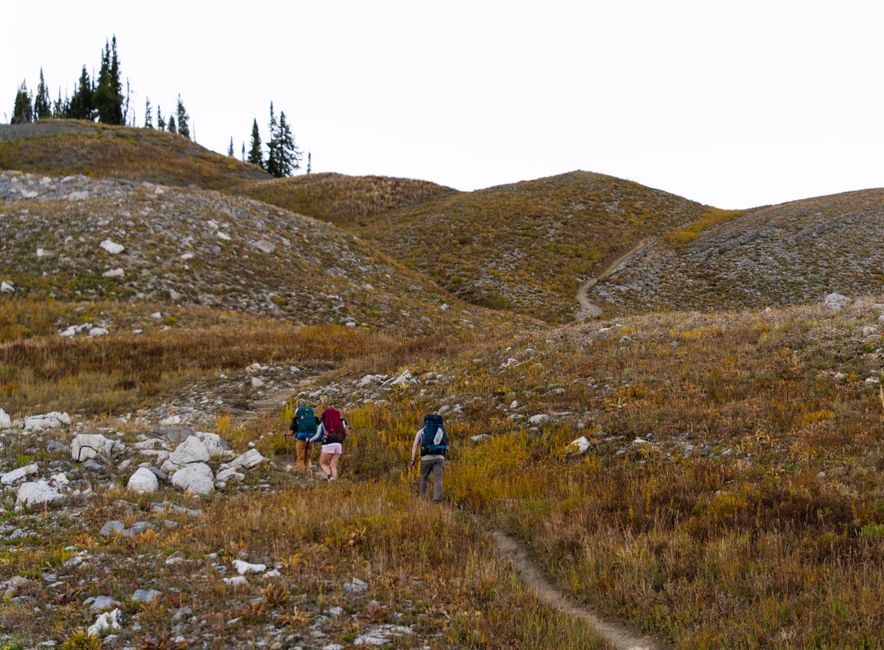
This seasonal fitness goal combines two things most teens and tweens actually enjoy: taking photos and checking items off a list. It transforms a simple hike into an engaging outdoor training session before winter sets in.
Create a list of 20-30 items to photograph during a hike. Mix easy finds (red leaf, pinecone, interesting rock) with physical challenges (yourself at the highest point, shadow that's longer than you are, action shot of jumping). The rule is they must hike to find each item—no staged photos from the parking lot.
Choose trails with varied terrain to increase the workout intensity naturally. Hills become part of the challenge rather than obstacles to avoid. My daughter, who usually complains within ten minutes of any hike, recently spent two hours scrambling around a state park trying to photograph all thirty items on her list.
The photos create natural conversation starters later. Print a few favorites or create a simple photo collage. This documentation matters more than you might think—it's proof they did something interesting before winter arrived.
For tweens, consider making teams with siblings or friends. They can split up at trail junctions (if age-appropriate and safe) to cover more ground, then meet at designated points. This adds strategy and independence to the physical activity.
You can theme these hunts: spooky finds for October, gratitude items for November. The flexibility keeps the challenge fresh if you repeat it weekly before daylight saving ends.
Challenge 4: The Twilight Obstacle Course
This before time change workout capitalizes on that magical pre-dusk light that makes everything look golden and slightly mysterious. Set up a backyard or park obstacle course that your teen or tween completes as darkness approaches.
Use natural and household items: weave between trees, army crawl under a rope stretched between lawn chairs, balance walk along a garden border, bear crawl across a designated patch of grass, climb over a picnic table, throw balls into buckets from various distances.
Time each attempt. The challenge is completing the course faster each session, but there's a twist: they must start five minutes later each week. As it gets darker, the difficulty increases naturally. This seasonal outdoor activity creates a genuine sense of progression.
What surprised me most about this autumn training challenge was how creative kids get with course design. Let your teen or tween modify the obstacles. They're more invested when they have ownership. My son added a section where he had to do burpees between each obstacle. I never suggested it. He just wanted a bigger challenge.
Consider adding a headlamp for the final attempts in late October and early November. Something about the beam of light cutting through dusk makes the whole experience feel like an adventure rather than exercise.
Invite other families to try your course. Host a Saturday afternoon where multiple teens or tweens rotate through. The social element and friendly competition amplify engagement significantly.
Challenge 5: The Migration Relay
Inspired by birds preparing for winter, this fall outdoor training activity involves completing increasingly longer distances each week, mimicking migratory patterns.
Start with a manageable distance—maybe around your block or to a neighborhood landmark and back. Each week, extend the route by a quarter mile or add another loop. The goal is building endurance gradually while appreciating autumn changes happening around them.
Track the journey visually. Create a simple map showing the "migration route" getting longer. Mark notable observations: when certain trees lost their leaves, when temperatures first dipped below 40 degrees, when they needed a jacket versus just a sweatshirt.
Mix up the movement type. One week might be biking. Another could be rollerblading if your kid has the equipment and safe paths. Walking counts absolutely. So does skateboarding. The point is sustained movement over distance, not specific athletic performance.
This seasonal workout idea works particularly well for kids who don't consider themselves athletic. There's no competition except against their previous distance. No one is watching or judging. It's just steady, achievable progress during these pre-winter outdoor exercise weeks.
Build in rewards at milestones. When they hit five total miles (cumulative across all weeks), maybe they pick dinner. At ten miles, perhaps they earn a new water bottle or fitness tracker. The extrinsic motivation helps until the intrinsic benefits kick in.
Quick Wins: Start Here
Sometimes the hardest part is simply beginning. If these challenges feel overwhelming, try these smaller steps first:
Start with just ten minutes outside after school three days this week. Walk around the block, kick a ball, anything. Build the habit before adding challenge elements.
Let your teen or tween choose which challenge sounds least terrible. Their buy-in matters more than your preference. Even reluctant participation beats none.
Join them for at least part of the activity. Your presence matters, even if you're slower or less fit. You're modeling that movement matters at every level.
Connect the challenge to something they already care about. Training for a spring sport? Building stamina for a school trip? Frame it around their goals, not yours.
Celebrate small wins loudly. They completed one challenge session? That deserves acknowledgment. Don't wait for perfect consistency before showing you're proud.
These Weeks Matter More Than You Think
The outdoor fitness challenges fall offers won't just fill time before daylight saving ends. They're building something more lasting than strong muscles or improved endurance.
You're showing your teen or tween that seasonal changes are opportunities, not obstacles. That shorter days don't automatically mean more screen time. That their body can do remarkable things when challenged consistently.
Will every session go smoothly? Absolutely not. There will be complaints and negotiations and days when it just doesn't happen. That's normal. What matters is trying again the next day.
The autumn outdoor workouts you encourage now are creating patterns that extend far beyond November. You're banking experiences and proving that fitness can be creative, social, and even fun when it's not happening in a gym or organized sport.
What's Working For Your Family?
I'd love to hear which outdoor fitness challenges autumn brings to your household. Are you trying any of these, or have you discovered seasonal workout ideas that work better for your teen or tween?
If you're looking for ways to adapt these challenges to your family's specific situation—maybe you have limited outdoor space, or your teen has mobility considerations, or you're juggling multiple kids at different ages—reach out to WizardHQ@AngelinaAllsop.com for ideas on how to tailor this approach to make it more relevant to you. Sometimes a small adjustment makes all the difference between resistance and enthusiasm.
 Ir directamente al contenido