As an affiliate, I earn from qualifying purchases, but this doesn't affect the reviews or recommendations—your trust is important to me!
Indoor Rock Climbing: Beat Winter Blues With This Challenge
Indoor Rock Climbing: Beat Winter Blues With This Challenge
Another January afternoon, and your teen is scrolling through their phone for the third hour while your tween complains about being bored. The snow's falling outside, it's dark by 4:30 PM, and you're desperately searching for something—anything—that doesn't involve another screen. Sound familiar?
Here's something worth knowing: indoor rock climbing gyms report their highest new membership spikes between January and March. Why? Because families are discovering what experienced climbers have known for years—indoor rock climbing for beginners winter months is the perfect antidote to seasonal slumps. It combines physical challenge, mental engagement, and social connection without a single notification ping. According to the Climbing Business Journal, youth participation in climbing has jumped 45% over the past three years, with kids aged 9-19 making up the fastest-growing demographic at climbing facilities.
The real beauty? Your kids won't even realize they're working out while they're problem-solving their way up a wall.
The Winter Activity Gap (And Why It Matters)
The Winter Activity Gap (And Why It Matters)
When temperatures drop and daylight shrinks, something happens to our kids' activity levels. The bikes gather dust, outdoor sports go on hiatus, and suddenly those screens become the default entertainment.
This isn't just about boredom. Research shows that adolescents need 60 minutes of physical activity daily for optimal physical and mental health. During winter months, most kids fall dramatically short of this target. The result? Lower energy, disrupted sleep patterns, increased anxiety, and a general case of the winter blues.
Traditional gym workouts rarely appeal to this age group. Treadmills feel monotonous, weight rooms can be intimidating, and group fitness classes often feel designed for adults. Your teen or tween needs something that feels like an adventure, not a chore.
A Different Kind of Winter Workout
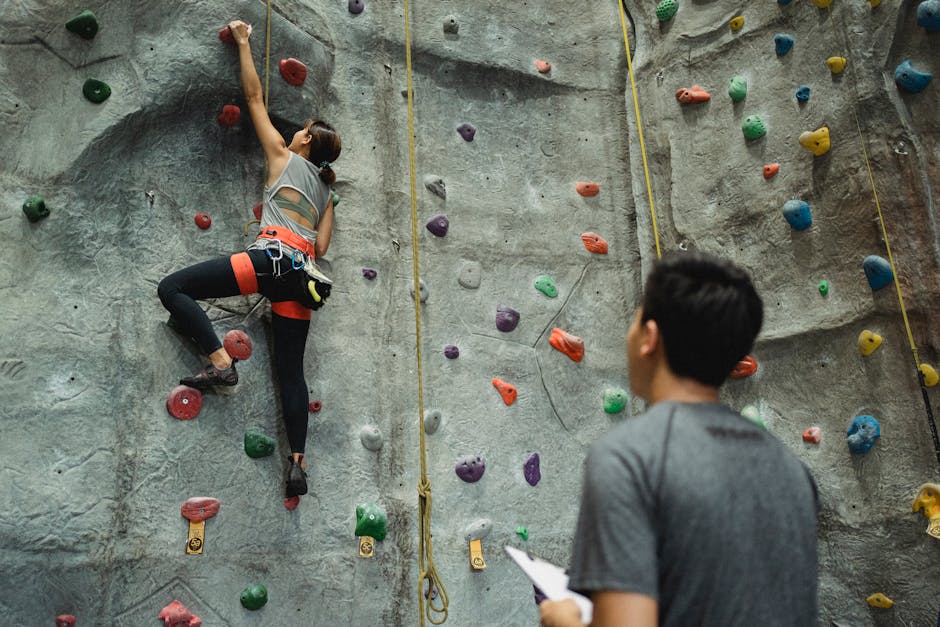
That's where indoor climbing winter workout options change everything. Climbing gyms offer a completely different experience—one that feels more like a video game come to life than traditional exercise. Each route up the wall is a puzzle to solve. Every handhold requires strategy. Success demands both body and brain working together.
Plus, there's the social element. Climbing gyms naturally foster a supportive community where beginners cheer each other on and experienced climbers offer tips without judgment. For tweens and teens navigating social anxieties, this environment can be refreshingly positive.
Building More Than Muscle: The Confidence Factor
Watch a kid complete their first challenging route, and you'll witness something powerful. That moment when they ring the bell at the top or drop down from a boulder problem they've been working on for weeks—their face lights up with genuine accomplishment.
Indoor bouldering New Year fitness goals naturally build confidence in ways traditional sports sometimes miss. There's no competition against others, no being picked last for a team, no comparing stats with teammates. Your child competes only against the wall and their previous attempts.
This matters tremendously for the tween and teen years when self-esteem can be fragile. A shy twelve-year-old might struggle with team sports but excel at the focused, individual challenge of climbing. A sixteen-year-old dealing with social pressures finds that on the wall, none of that matters—only the next move counts.
Physical Benefits That Stack Up Quickly
The physical benefits stack up quickly too. Rock climbing strength training indoors works nearly every muscle group. Core strength improves with each climb. Grip strength develops naturally. Flexibility increases as kids reach for holds. Balance and coordination sharpen with practice.
The Mental Workout
But here's what might surprise you: the mental workout rivals the physical one. Climbers call it "reading the route"—analyzing which holds to use, planning the sequence of moves, adjusting strategy when something doesn't work. It's chess played vertically with your entire body.
For screen-addicted kids, this total engagement proves addictive in the best way. They can't check their phones while climbing. They can't split their attention. They're completely present, focused, and problem-solving in real-time.
Getting Started: Your January Climbing Action Plan
The practical side of winter fitness rock climbing is simpler than you might think. Most climbing gyms cater specifically to beginners, especially during the New Year rush when facilities expect newcomers.
Start with a basic orientation or beginner class. Most climbing gym winter escape packages include an intro session where staff teach fundamental techniques, safety protocols, and basic terminology. Your kids will learn the difference between bouldering (climbing shorter walls without ropes) and top-rope climbing (using harnesses and belay systems for taller walls).
For tweens and younger teens, bouldering often provides the best entry point. The walls max out around 15 feet, thick mats cushion any falls, and kids can try routes independently once they've learned basic safety. No complicated equipment required—just rental climbing shoes and a chalk bag.
Older teens might gravitate toward top-rope or lead climbing, which adds an element of trust-building as they learn to belay partners. This responsibility aspect appeals to their growing independence while teaching valuable safety awareness.
Cost-wise, most gyms offer day passes (typically $15-25) that include equipment rental. This lets your family test the waters before committing. Many facilities run January climbing workout beginners specials or New Year promotions that reduce the first-month cost significantly.
Frequency matters more than duration when starting out. Two or three one-hour sessions weekly build strength and skill faster than one marathon session. This schedule also fits reasonably into busy family calendars without overwhelming other commitments.
Quick Wins: Start Here
Ready to give cold weather indoor climbing a try? These five steps will get your family off the couch and onto the wall:
Find your local climbing gym using online searches for "beginner climbing New Year goals near me" or check the Climbing Business Journal's gym directory. Call ahead to ask about youth programs and beginner-friendly times (weekday afternoons are often less crowded).
Book an intro class or orientation session rather than just showing up. These structured beginnings teach proper technique from day one and prevent the overwhelmed feeling that can derail new climbers.
Dress in comfortable athletic clothes—nothing baggy that might catch on holds, but nothing so tight it restricts movement. Skip jewelry and trim fingernails short. The gym will provide specialized shoes.
Start with bouldering for the lowest barrier to entry. Your kids can attempt different routes at their own pace, rest when needed, and experience success quickly without the complexity of rope systems.
Celebrate small victories loudly. Did your tween make it three holds higher than last time? Did your teen finally stick that tricky move? Recognition of progress (not just completion) keeps motivation high during the learning curve.
Your Family's New Winter Tradition Starts Now
This January doesn't have to look like every other winter—endless screen time punctuated by parental nagging about getting active. Indoor climbing offers something rare: an activity your kids will actually want to do that happens to be incredibly good for them.
The strength, confidence, and problem-solving skills they build on the wall transfer to everything else. The community they discover at the gym provides positive peer connections. And the winter months transform from something to survive into a season for growth and challenge.
Most importantly, you're creating shared experiences and building traditions. Whether you climb alongside them or cheer from below, you're showing up for their interests and investing in their wellbeing in ways they'll remember long after these tween and teen years pass.
What's Your Next Move?
Does your family have experience with rock climbing, or would this be completely new territory? What's currently your biggest challenge in finding screen-free winter activities that your kids actually enjoy?
We'd love to help you think through how indoor climbing (or other active alternatives) might work for your specific family situation. Reach out to WizardHQ@AngelinaAllsop.com with your questions, concerns, or ideas on how to tailor this blog to make it more relevant to you. Sometimes talking through the logistics with someone who gets it makes all the difference between thinking about change and actually making it happen.
Blog Post
I notice you haven't included the text content that needs to be converted to HTML. Please provide the blog post text you'd like me to format, and I'll create an optimized HTML version for you.
 Ir directamente al contenido