10 Backyard Astronomy Projects for the Perseid Meteor Shower
The Perseid meteor shower peaks this week, and if you're looking for a magical way to disconnect your teens and tweens from their screens, there's no better excuse than shooting stars. Last summer, I watched a mom in my neighborhood set up blankets in her driveway at midnight with her 14-year-old daughter. They'd been battling over phone time for months, but something shifted that night. Under a sky streaking with meteors, her daughter asked questions about space, about college dreams, about everything. Three hours passed without either of them checking a device once.
The Perseids offer up to 100 meteors per hour at peak times, making them one of the most spectacular celestial shows of the year. This natural phenomenon happens when Earth passes through debris left by the Swift-Tuttle comet, creating bright streaks across the sky that ancient civilizations believed were messages from the gods. Your kids can witness the same cosmic event that captivated people thousands of years ago, right from your own backyard.
You can download free printable star charts online or create simple grid papers. Have everyone compare their maps at the end of the night. Your 16-year-old might act too cool for this at first, but the competitive element usually draws them in. Who saw the most meteors? Whose map shows the clearest radiant pattern?
2. Long-Exposure Meteor Photography
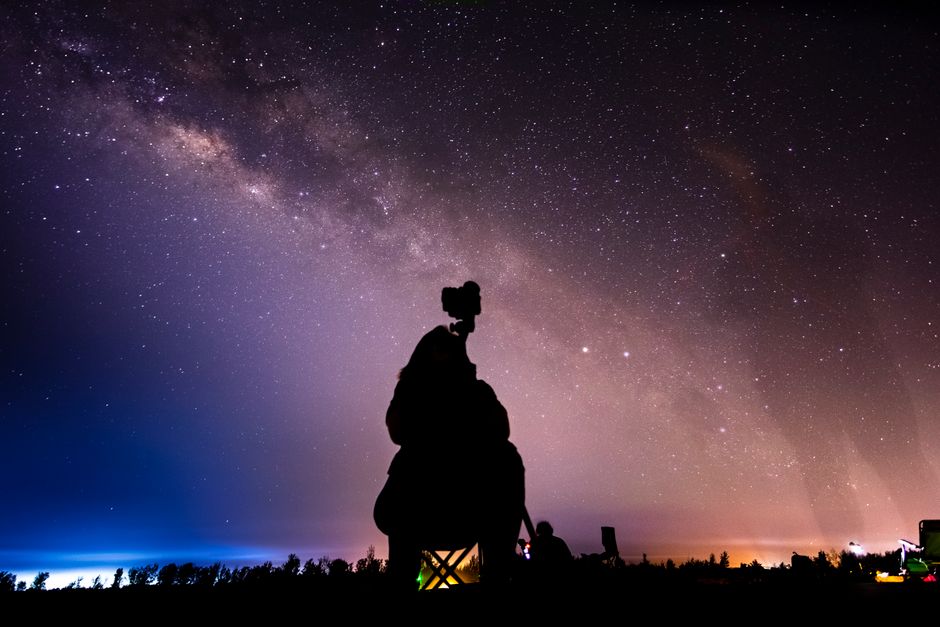
Older teens with an interest in photography can attempt to capture meteor streaks using long-exposure techniques. You don't need expensive equipment—a smartphone with manual settings, a tripod (or stable surface), and a remote shutter app will work. This combines tech skills with the natural world in a way that feels purposeful.
Set the exposure time for 15-30 seconds, use the lowest ISO setting that still captures stars, and shoot toward the darkest part of your sky. Most meteor photography requires patience and dozens of attempts. Your teen might spend hours perfecting their technique, completely absorbed in the process. That's focused, creative screen time followed by genuine outdoor engagement.
3. Perseid Prediction Log
Create a scientific observation log where your kids predict hourly meteor counts, then record actual sightings. This DIY meteor observation project teaches scientific method basics: hypothesis, observation, data collection, and analysis. Tweens working on science fair projects can use this as preliminary research.
Include columns for time, predicted count, actual count, notable characteristics (color, brightness, duration), and weather conditions. By morning, you'll have real data your kids collected themselves. Some families turn this into an annual tradition, comparing results year over year.
4. Constellation Biography Project
While waiting for meteors, challenge your teen to research one constellation visible that night and present its mythology to the family. Perseus himself has a fascinating story involving Medusa, heroism, and rescue. Your 13-year-old becomes the expert, teaching you something new.
This backyard stargazing activity works especially well for tweens who love storytelling or drama. They can prepare their presentation earlier in the day, practicing public speaking skills without the pressure of a classroom. The night sky becomes their visual aid, the meteors their special effects.
5. Meteor Shower Survival Camp
Turn your backyard into basecamp for a meteor watching expedition. Let your teens plan the logistics: what supplies you'll need, how to stay warm, what snacks to pack, and the optimal setup. This home astronomy setup project gives them ownership of the experience.
Tweens can build blanket forts or arrange sleeping bags. Teens might create a playlist of space-themed music (on low volume or for before/after viewing). The preparation becomes half the fun, and kids who helped plan an activity are far more invested in participating.
6. DIY Planisphere Creation
Before the shower, spend an afternoon creating a rotating star wheel (planisphere) that shows which constellations are visible at different times. Plenty of templates exist online for free, requiring just cardstock, scissors, and a brad fastener. This hands-on craft connects to the nighttime astronomy experience.
Your tween can decorate their planisphere and use it to identify constellations between meteor sightings. It transforms abstract sky-watching into a treasure hunt with a tool they made themselves. These often become keepsakes they pull out for future backyard celestial events.
7. Meteor Shower Poetry or Journaling
Give your teen a journal and red-light headlamp for recording thoughts, feelings, and observations during the shower. Some kids aren't comfortable with the silence of stargazing, but journaling gives them something to do during slower periods. Reflective teens often produce beautiful writing during these sessions.
Tweens might prefer sketching what they see or creating a comic strip about meteors as tiny space travelers. The goal isn't literary brilliance—it's creating space for unstructured creativity under the stars. You might be surprised what they share when they're looking up instead of at a screen.
8. Time-Lapse Meteor Documentation
Set up a camera or smartphone to capture time-lapse footage of your family's meteor watching session. Position it to show both the sky and your viewing area. When played back, you'll see hours condensed into minutes: meteors streaking overhead, family members pointing and reacting, and the earth's rotation moving the stars.
This Perseid meteor photography project appeals to teens interested in filmmaking or content creation. They're making something shareable (if they choose) but the creation process requires being fully present for hours. It's a beautiful balance of technology and natural experience.
9. Meteor Shower Bingo
Create custom bingo cards with sky events beyond just meteors: satellite passing, airplane, shooting star with trail, particularly bright meteor, meteor that breaks apart, constellation identification, etc. This backyard stargazing activity keeps younger tweens engaged when meteor activity slows.
Make it collaborative rather than competitive if you have kids who struggle with winning and losing. The goal is spotting everything together. You can even include silly squares like "someone makes a wish" or "owl hoots in the distance" to keep things light.
10. Aurora Australis Connection Project
For older teens ready for deeper concepts, explore how meteor showers and other space phenomena connect to bigger questions. Research how ancient cultures interpreted meteors, how meteor debris has affected Earth's history, or what scientists learn from studying meteor composition. This transforms a single night into an intellectual curiosity launching pad.
Your 17-year-old might discover a genuine interest in astronomy, geology, or physics. At minimum, they'll see connections between that streak of light and larger scientific concepts. These meteor watching preparation conversations often lead to surprising discussions about college interests or career possibilities.
-
Let eyes adjust to darkness for 20-30 minutes before expecting to see meteors (no flashlights or phones during this time!)
-
Lie flat on your back with feet facing northeast—this maximizes sky visibility and makes long-term viewing comfortable
-
Bring more layers than you think you need—temperatures drop significantly after midnight, even in summer
-
Lower your expectations and raise your patience—some hours produce fewer meteors, but the conversation and connection make up for it
The Magic Happens in the Waiting
The Perseid meteor shower gives you a rare gift: a legitimate reason to be outside, in the dark, doing nothing but watching the sky with your kids. No destination, no agenda beyond waiting for streaks of ancient comet debris to light up the atmosphere.
Some of the best parent-teen connections happen when you're side by side rather than face to face, looking at something bigger than both of you. These backyard night sky activities create exactly that scenario. Whether your teen engages with an elaborate project or simply lies on a blanket making wishes, you're building memories that outlast any screen time battle.
The meteors will peak this week, but the sense of wonder you cultivate might just last all year.
What's Stopping You?
What concerns do you have about getting your teens or tweens outside for meteor watching? Is it the late hour, the setup, or maybe getting them to agree in the first place?
I'd love to help you brainstorm ideas that fit your specific family situation. Reach out to WizardHQ@AngelinaAllsop.com with your questions about how to tailor these projects to make them more relevant to your kids' ages and interests. Sometimes a small tweak makes all the difference between "no way" and "actually, that sounds cool."
 Ir directamente al contenido