As an affiliate, I earn from qualifying purchases, but this doesn't affect the reviews or recommendations—your trust is important to me!
Start a Spooky Story Podcast with Friends This October
Start a Spooky Story Podcast with Friends This October
October brings more than pumpkin spice and costume planning. It's the perfect month for your tween or teen to launch something creative with their friends that doesn't involve scrolling through social media or binge-watching another series.
Last year, over 460 million people listened to podcasts regularly, and horror storytelling shows continue to rank among the most popular genres for young listeners.
Your kids already swap scary stories at sleepovers and text creepy tales to each other. Why not channel that energy into creating something they can actually share with the world?
A friends spooky story podcast setup doesn't require professional equipment or technical expertise—just imagination, a few willing voices, and the courage to hit record.
The Problem Screen Time Is Solving (and What You Can Offer Instead)
Your tween or teen isn't addicted to screens—they're craving connection, creativity, and the chance to make something meaningful with their friends. Social media and gaming meet those needs, but often leave them feeling empty afterward.
A collaborative horror podcast offers the same social rewards without the passive consumption. Your kids get to write, perform, edit, and share their work. They're building real skills in storytelling, audio production, public speaking, and project management.
Plus, there's something particularly powerful about horror storytelling. It lets young people explore fear in a controlled environment, process complex emotions, and test boundaries safely. When they create these stories together, they're bonding over shared creative challenges rather than just consuming content someone else made.
Setting Up Your Friends Spooky Story Podcast
Getting the Technical Basics Right
Starting a horror storytelling podcast with friends doesn't require hundreds of dollars in equipment. Your kids probably already have 80% of what they need sitting in a drawer somewhere.
Horror Podcast Setup for Teens
The Essential Podcast Setup for Horror Stories
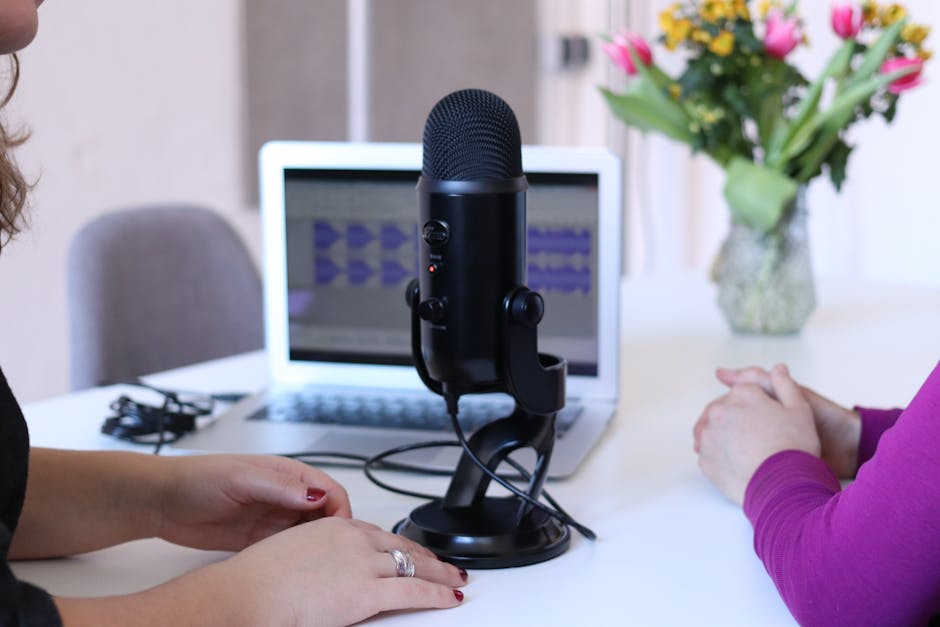
The essential podcast setup for horror stories with friends starts with decent microphones. If your teen has earbuds with a built-in mic from their phone, that's actually a solid starting point. For better quality, a USB microphone like the Blue Snowball or Audio-Technica ATR2100x runs between $50-80 and can serve multiple group members who take turns speaking.
For group recording sessions, your kids can gather in a quiet room with blankets hung on walls to dampen echo. A closet full of clothes makes an excellent makeshift recording studio. Each person can record their parts separately on their phones using the free Voice Memos app (iPhone) or Easy Voice Recorder (Android), then send the files to one person to compile.
Free editing software like Audacity (for computers) or Anchor (mobile app) works perfectly for beginners. Anchor even handles distribution to Spotify, Apple Podcasts, and other platforms automatically. Your kids don't need to master complex editing—simple cuts, arranging clips in order, and maybe adding some free spooky background music from YouTube's Audio Library gets the job done.
Recording equipment can be shared. If three friends are creating the podcast together, maybe one provides the microphone, another handles editing on their laptop, and the third manages the artwork and social media. This collaborative horror podcast approach teaches resource-sharing and playing to individual strengths.
Creating Content That Actually Scares (Without Going Too Far)
The best scary podcast recording setup means nothing without compelling content. Help your kids understand that great horror storytelling relies on atmosphere, pacing, and what's left unsaid rather than graphic descriptions.
Their podcast format could take several directions. They might write and perform original scary stories, with different friends voicing different characters. They could adapt classic horror tales or local urban legends (which sidesteps writer's block while teaching adaptation skills). Some friend group podcast ideas horror-focused include investigating "true" paranormal stories from their town, interviewing family members about their creepiest experiences, or creating a serialized horror narrative that unfolds over multiple episodes.
October themes write themselves: haunted houses, witch trials, autumn festivals gone wrong, things that come out when the leaves fall. A seasonal horror podcast setup gives natural momentum and a built-in deadline. Launching in October means they can capitalize on everyone's heightened interest in spooky content.
For tweens especially, encourage the "Goosebumps" level of scary—thrilling and creepy without traumatizing content. Teens can push darker, but remind them their podcast will be public and permanent. Nothing involving real people from school, nothing genuinely disturbing or violent for shock value. The best horror suggests rather than shows.
Story structure matters too. A beginner horror podcast equipment list should include notebooks for outlining. Each episode needs a beginning that establishes normalcy, a middle where things go wrong, and an ending that resolves the tension (or delivers one final twist). Stories between 10-20 minutes work best for maintaining tension and fitting listeners' attention spans.
Building an Audience Without Losing the Fun
Your kids will record their first episode, publish it, and then wonder why they don't have 10,000 downloads by morning. Managing expectations here prevents discouragement.
Starting a scary story podcast is about the creative process first, audience second. Their initial listeners will be family, classmates, and friends of friends—and that's perfect. Twenty listeners who genuinely enjoy their work matter more than 2,000 who randomly clicked once.
Cross-promotion extends reach without much effort. Your teen can share episodes on their (hopefully limited) social media, create short teaser clips for TikTok or Instagram Stories, and ask friends to spread the word. If they're creating an October podcast launch guide approach, they can tie into Halloween hashtags and seasonal interest.
Consistency beats perfection. A horror podcast recording tips friends absolutely need: commit to a realistic schedule. One episode per week during October equals four episodes total—completely manageable. Releasing every Tuesday at 6 PM trains listeners when to expect new content.
Guest appearances keep things fresh and spread the workload. Different friends can rotate through as main storytellers, guest writers can submit stories to be performed, and younger siblings might contribute sound effects or short interludes. This collaborative approach prevents burnout and keeps the creative energy high.
The technical learning curve flattens quickly. By episode three, your kids will feel comfortable with recording, editing, and uploading. By episode five, they'll be experimenting with music, sound effects, and multiple audio tracks. These are legitimate media production skills that look impressive on college applications and teach technological literacy in meaningful context.
Quick Wins: Start Here
Getting started feels overwhelming, so break it into concrete first steps your kids can tackle this week:
Choose roles and responsibilities among the friend group—who writes, who records, who edits, who designs cover art, and who manages uploading (people can wear multiple hats, but clarity prevents conflict)
Record a test episode that never gets published, just to work out technical kinks and get comfortable hearing their voices played back
Create a Content Calendar
Map out their October episodes with themes, story ideas, and recording dates before they actually start producing.
Design Simple Cover Art
Use free Canva templates—it just needs to look presentable and convey "spooky stories," not win design awards.
Set Up an Anchor Account
Walk through the platform together, understanding where everything goes before they've got finished audio files.
Your Kids Can Do This
Starting a horror storytelling podcast with friends this October gives your tween or teen something screen time can't: the satisfaction of creating rather than consuming, the pride of making something shareable, and the bonding that happens when friends collaborate on a real project.
The equipment is minimal, the learning curve is manageable, and the worst-case scenario is they spend a few October evenings laughing with friends while recording spooky stories. That's time well spent regardless of download numbers.
What's Your Experience?
Has your teen or tween launched a creative project with friends? What helped them get started, and what obstacles did they face?
If you'd like ideas on how to tailor this approach to your family's specific situation—whether your kid is more interested in comedy than horror, needs help finding collaborators, or wants guidance on more advanced podcast features—reach out to WizardHQ@AngelinaAllsop.com and let's figure it out together.
 Ir directamente al contenido