As an affiliate, I earn from qualifying purchases, but this doesn't affect the reviews or recommendations—your trust is important to me!
Build Your Own Indoor Winter Weather Station to Track January's Wild Temperature Swings
Build Your Own Indoor Winter Weather Station to Track January's Wild Temperature Swings
January's temperature swings can be absolutely wild. Just last week, my neighbor's backyard thermometer showed 45°F on Monday, then plummeted to 12°F by Wednesday morning. These dramatic fluctuations aren't just conversation starters—they're perfect learning opportunities for your tweens and teens.
Building a DIY indoor weather station January temperature tracking system turns unpredictable winter weather into hands-on science. Instead of mindlessly scrolling through weather apps, your kids can collect real data, spot patterns, and understand the science behind those freeze-thaw cycles that wreak havoc on roads and roofs. This project combines engineering, data analysis, and environmental science while keeping screens firmly in the "tool" category rather than the "time-waster" category.
The best part? You probably have most supplies already sitting in your home, and the whole setup takes just one afternoon to complete.
Building a Weather Tracker for Kids
The Problem: January's Chaos and Our Kids' Disconnect from Real Weather
Your kids check weather apps dozens of times, but do they really understand what those numbers mean? Probably not.
There's something powerful about measuring temperature yourself rather than just reading a digital display. When your teen personally records that temperature dropped 22 degrees overnight, they grasp January temperature fluctuations in a completely different way. They start asking why it happened, what causes these swings, and how it affects everything from their morning commute to the family's heating bills.
Building a homemade weather tracker bridges the gap between abstract numbers on a screen and physical reality. It transforms passive information consumption into active scientific inquiry.
Main Content: Building Your Indoor Temperature Monitoring System
Setting Up Your Basic DIY Thermometer Station
Building Your Home Climate Monitoring System
Start with the foundation of your home climate monitoring system: multiple thermometers placed strategically throughout your house.
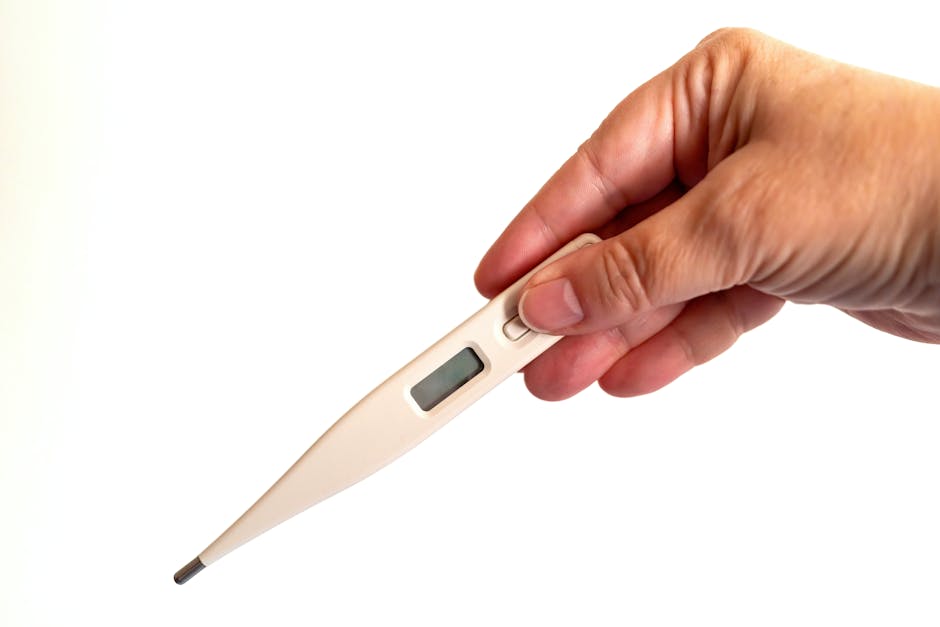
You'll need at least three reliable thermometers (analog or digital, preferably both for comparison). Place one outside a north-facing window, one in your main living area, and one in the coldest room of your house—usually a basement or an unheated garage. This gives you immediate data about temperature variations within your own home.
Choosing the Right Thermometers for Different Ages
For tweens ages 9-12, analog thermometers with clear number markings work beautifully. They can physically see the mercury or alcohol rising and falling, making the concept more concrete. Teens ages 13-19 might enjoy digital thermometers with memory functions that store high and low readings, adding complexity to their data collection.
Setting Up Your Weather Station Command Center
Create a dedicated "weather station command center" on a desk or table near a window. This becomes the hub where all observations get recorded. Set up a three-ring binder with graph paper, colored pencils for charts, and a ruler for drawing precise data tables. Yes, going old-school with paper and pencil is intentional—it slows down the observation process in a good way, encouraging thoughtful analysis rather than quick snapshots.
Establishing a Consistent Recording Schedule
Your winter temperature logger needs a consistent schedule. Morning readings before breakfast and evening readings before dinner work well because they're tied to existing routines. Temperature swing tracker accuracy depends entirely on consistency, so make this part of the daily rhythm rather than a "when we remember" activity.
Adding Advanced Features to Your Winter Climate Tracker
Once your basic system runs smoothly for a few days, level up your home weather observation station with these additions.
Building a Simple Barometer
Build a simple barometer using a glass jar, balloon, straw, and cardboard. Stretch the balloon over the jar opening, secure it with a rubber band, and tape a straw pointer to the balloon's surface. As air pressure changes, the balloon moves up or down, and your straw indicates the change on a cardboard scale. January's temperature swings often correlate with pressure changes, and your kids can track these relationships.
Adding a Hygrometer for Humidity Monitoring
Add a hygrometer (humidity measuring device) to monitor indoor moisture levels. Winter air tends to be incredibly dry, especially with heating systems running constantly. You can purchase an inexpensive hygrometer or make one using a pine cone—seriously. Pine cones close in humid conditions and open in dry conditions. Mount one on cardboard with a reference scale, and you've got a natural humidity indicator.
Incorporating Technology for Advanced Tracking
For teens interested in technology, incorporate a temperature data logger DIY element using an Arduino or Raspberry Pi. These affordable mini-computers can connect to digital temperature sensors and log data automatically every hour. There are free tutorials online that walk through the setup step-by-step. This bridges hands-on building with coding skills, and the automated data collection frees them from manual recording while still requiring analysis and interpretation.
Creating a Weather Prediction Protocol
Create a weather prediction protocol. Before checking the official forecast, your tween or teen makes their own prediction based on observed patterns. Did the barometer rise? Expect clearer, colder weather. Did the temperature drop suddenly overnight? Check if winds shifted direction. These prediction exercises transform your DIY environmental monitor from a passive recording device into an active thinking tool.
Analyzing January Climate Tracking Data for Patterns
Collecting data means nothing without analysis—this is where the real learning happens.
Every Sunday, sit down together and review the week's temperature recordings. Calculate the average high and low. Identify the biggest single-day temperature drop. Compare indoor versus outdoor readings to understand how your home's insulation performs during extreme cold snaps.
Graph the data using different colors for different locations. Visual representations make patterns pop. Your teen might notice that bedroom temperatures correlate with outdoor temps more than the basement does, leading to discussions about insulation, heat distribution, and home energy efficiency.
Challenge your kids to correlate temperature changes with actual weather events. Did that 30-degree drop happen when the wind shifted from south to north? Was there precipitation before the cold front arrived? This kind of analysis develops critical thinking skills that transfer far beyond weather observation.
For the competitive types, turn it into friendly forecasting competitions. Who can predict tomorrow's high temperature most accurately based on current observations? Winner picks the movie for family night. Suddenly, your handmade weather station becomes the center of engaged, screen-free family interaction.
Compare your home-collected data with official weather service records. Are your readings similar? Different? Why might discrepancies exist? This teaches data validation, measurement accuracy, and the importance of calibration—all crucial scientific concepts.
Quick Wins: Start Here
If the full setup feels overwhelming, start with these simple steps to get your indoor thermometer project running today:
Grab two thermometers right now and place them in different locations—one outside a window, one in your kitchen—then record readings at breakfast and dinner for three days straight
Create a simple data table on regular paper with columns for date, time, location, temperature, and weather observations (cloudy, sunny, snowy, etc.)
Set a phone alarm (yes, using a screen strategically!) for the same two times daily as your recording reminder until it becomes habit
Challenge your teen to predict whether tomorrow will be warmer or colder based solely on today's pattern, then check the results together
Spend 15 minutes this weekend researching one weather phenomenon together—what causes temperature inversions, why January sees such wild swings, or how wind chill actually works
These small steps build momentum. You don't need a perfect setup to start learning together.
The Reward Is in the Routine
Building an indoor weather monitoring project won't just teach your kids about January weather tracking device functionality. It teaches patience, consistency, observation skills, and scientific method.
More importantly, it creates a shared family ritual. Those twice-daily temperature checks become touchpoints in busy schedules, brief moments where you're all focused on the same real-world phenomenon. The conversations that spring from unexpected temperature readings are worth far more than the data itself.
Your home becomes a mini-research station, and your kids become genuine citizen scientists contributing to their own understanding of the world right outside their window.
What's Your Weather Tracking Story?
What aspects of weather fascinate your tween or teen most? Are they drawn to dramatic storms, curious about climate patterns, or interested in how weather affects daily life?
If you'd like ideas on how to tailor this indoor temperature recorder project to make it more relevant to your family's specific interests and learning goals, reach out to WizardHQ@AngelinaAllsop.com. Let's talk about customizing this hands-on experience to match what makes your kids tick.
 Ir directamente al contenido