As an affiliate, I earn from qualifying purchases, but this doesn't affect the reviews or recommendations—your trust is important to me!
Build a DIY Spectroscope to Decode Winter's Hidden Light Secrets
Build a DIY Spectroscope to Decode Winter's Hidden Light Secrets
Something magical happens to sunlight between December and March that most people never notice. The angle of winter sun creates a unique spectrum of wavelengths, painting our world in cooler tones while simultaneously setting the stage for spring's eventual explosion of warmth and color. Your teen or tween can actually see and measure these hidden color patterns using nothing more than a cereal box, an old CD, and about 30 minutes of hands-on science exploration.
This DIY spectroscope winter light analysis project turns abstract physics concepts into tangible discoveries. Instead of another evening lost to gaming or endless scrolling, imagine your young scientist tracking how daylight shifts from the blue-heavy wavelengths of deep winter toward the warmer spectrum of approaching spring. The best part? They're learning real spectroscopy techniques that professional astronomers and environmental scientists use daily.
Blog Post
The Problem We're Solving
Screen time isn't inherently evil, but the passive consumption drains our kids' natural curiosity. When your tween says they're "bored," what they're really craving is the satisfaction of building something meaningful with their own hands. This homemade spectrum analyzer gives them that creative outlet while teaching genuine scientific observation skills. Plus, winter's unique lighting conditions make this the perfect season for light investigation that simply won't work as well in summer months.
Why Winter Light Deserves Your Teen's Attention
Winter sunlight travels through more atmosphere before reaching us because of Earth's tilt. This longer journey filters out certain wavelengths, creating that characteristic pale, cool light we associate with snowy days and early sunsets.
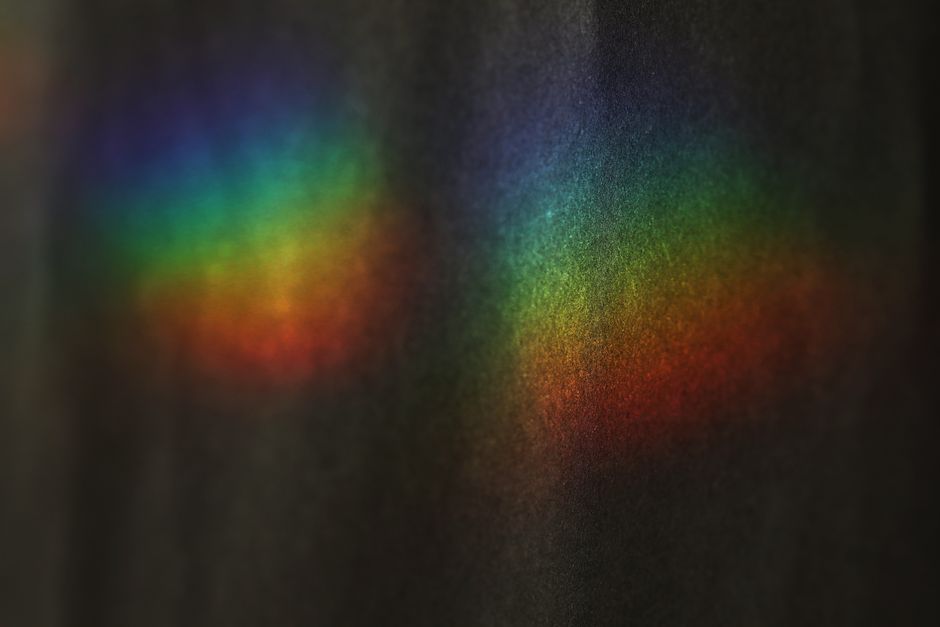
Your teen can actually see this phenomenon broken down into individual colors using their homemade spectroscope. When they point it at winter daylight, they'll notice stronger blue and violet bands compared to the spectrum from incandescent bulbs or candlelight. This isn't just abstract science—it's the same principle that explains why winter feels colder (shorter wavelengths carry less heat energy) and why seasonal affective disorder affects so many people.
The build your own spectrometer approach teaches them that sophisticated scientific tools don't always require expensive equipment. Professional-grade spectroscopes can cost thousands of dollars, but the fundamental physics remains identical whether you're using precision optics or a scratched CD from your old collection.
Here's what makes this project particularly engaging: your tween can track measurements over weeks or months. They'll notice the spectrum gradually shifting as winter progresses toward spring. Those violet-heavy wavelengths slowly give way to increasing amounts of yellow, orange, and red light as the sun's angle changes with the seasons.
Building Your Homemade Light Diffraction Tool
The construction process takes about 30-45 minutes and uses materials you probably already have around the house. You'll need:
One cereal box or similar cardboard container
One CD or DVD (the more scratched, the better—it's finally useful!)
Black electrical tape or black paper
A ruler
Sharp scissors or a box cutter (adult supervision required)
A pencil
Start by cutting a narrow slit—about 1/8 inch wide and 2 inches tall—in one end of the cereal box. This slit becomes the entrance point for whatever light source you're analyzing. The narrower the slit, the sharper your spectrum will appear, so precision matters here.
At the opposite end of the box, cut a viewing window about 1 inch square. This is where your teen will peek inside to see the magic happen. About one-third of the way between the slit and viewing window, cut a diagonal slot large enough to slide in a piece of CD. The CD should sit at approximately 60 degrees, angled so it can catch light from the slit and reflect it toward the viewing window.
The key to this homemade optical analysis setup is making the interior as dark as possible. Light leaks will wash out your spectrum and make observations frustrating. Use black tape or black paper to seal any gaps and cover the shiny interior surfaces of the cardboard. This might seem tedious, but it transforms a mediocre toy into a genuine scientific instrument.
Once assembled, your teen points the slit toward any light source—the sun (never directly!), a lamp, LED bulbs, or even the winter sky. Looking through the viewing window, they'll see that "white" light separated into its component rainbow of colors. Different light sources produce distinctly different patterns, which leads to some fascinating discoveries.
Tracking Seasonal Light Wavelengths for Spring Prediction
This is where backyard spectroscopy becomes truly engaging. Your teen can create a simple observation log tracking the spectrum patterns they see in natural daylight at the same time each day.
In deep winter (December through early February in the Northern Hemisphere), they'll notice the spectrum weighted toward the blue-violet end. These shorter wavelengths dominate because of the sun's low angle and the atmosphere's filtering effect. As a bonus observation, they can compare this to the warmer spectrum from indoor lighting, which helps explain why cozy indoor spaces feel so different from winter's outdoor light.
Around mid-to-late February, something shifts. The sun's angle starts increasing noticeably, and more yellow-orange wavelengths begin appearing in the daily spectrum. Your tween can actually see spring approaching in the changing color ratios before they notice temperature changes or budding plants.
This simple spectroscope project becomes a genuine seasonal light analysis tool. Some teens get so engaged they start comparing spectrums from different times of day, different weather conditions (how do clouds affect the spectrum?), or different geographic directions (north light versus south light).
The spectrum observation winter delivers also opens conversations about why plants respond to spring light. Plants have photoreceptors that detect specific wavelengths, particularly red and blue light. When your teen sees those wavelengths shifting in their spectroscope readings, they're observing the same signals that tell dormant seeds it's time to germinate.
Quick Wins: Start Here
Not sure where to begin with your DIY light science project? These five starting points guarantee success:
Compare three different light sources in your first session—sunlight (reflected off white paper, never direct), an LED bulb, and an incandescent bulb if you still have one. The dramatically different spectrums will immediately hook your teen's curiosity.
Create a spectrum sketch template where your teen draws what they see and labels the color bands. This visual record makes patterns obvious over time and gives them something tangible to share with science teachers.
Set a consistent observation time, like 30 minutes before sunset, for daily or weekly readings. Consistency reveals the subtle seasonal shifts that random observations might miss.
Challenge them to photograph their findings by holding a smartphone camera up to the viewing window. These images won't be perfect, but they provide shareable documentation of their winter daylight analysis journey.
Connect with real science by researching what professional astronomers learn from stellar spectroscopy. Your teen is literally using the same technique that reveals what distant stars are made of—just pointed at our own sun instead.
Making Light Science Your Winter Tradition
This DIY rainbow science winter project gives your teen something rare: concrete evidence that they can understand the natural world through direct observation and simple tools. That's empowering in a way that watching science videos never quite achieves.
The winter solstice light patterns they discover become markers of real seasonal change, making them more observant of the natural world even after the project ends. Many families find this becomes an annual tradition, with tweens building increasingly sophisticated versions as they grow into teens with advanced scientific interests.
What Questions Do You Have?
What light sources are you most curious about analyzing? Have you noticed how different winter light feels compared to summer, and are you ready to see exactly why?
We'd love to help you tailor this project to your family's specific interests or your teen's current science curriculum. Reach out to WizardHQ@AngelinaAllsop.com with ideas on how to make this winter light investigation even more relevant to your household's unique situation. Whether you're homeschooling and want to integrate this into formal lessons, or just looking for weekend enrichment that beats another Netflix binge, let's make this spectroscope project work perfectly for your family.
Blog Post
I notice you haven't provided the text content that needs to be converted to HTML. Please share the blog post text, and I'll format it into a visually appealing HTML blog post with appropriate headlines, bold text, and italics as needed.
 Ir directamente al contenido