As an affiliate, I earn from qualifying purchases, but this doesn't affect the reviews or recommendations—your trust is important to me!
Spring Break Fitness Challenge for Teens: 7 Days to Move More
Spring Break Fitness Challenge for Teens: 7 Days to Move More
Spring break arrives with its promise of freedom and relaxation, but let's be honest—it often turns into seven days of your teen planted on the couch, scrolling endlessly through social media. According to the CDC, teens need at least 60 minutes of physical activity daily, yet only 24% actually meet that guideline. The extended break from school routines makes things worse, with many adolescents averaging just 12 minutes of meaningful movement per day during vacation weeks.
This spring break can be different. A teen spring break fitness challenge doesn't require expensive gym memberships or complicated equipment. It just needs a shift in mindset and a structure that makes movement feel like an adventure rather than a chore. When kids move their bodies, something remarkable happens—energy levels rise, moods improve, sleep gets better, and those endless complaints about boredom mysteriously disappear.
The Real Problem With Screen-Heavy Spring Breaks
The Real Problem With Screen-Heavy Spring Breaks
Your teen's spring break lethargy isn't laziness. It's biology meeting opportunity.
After months of rigid school schedules, their bodies crave rest. But too much rest, combined with endless screen time, creates a productivity and energy nosedive. You've probably noticed the pattern: sleeping until noon, snacking constantly, mood swings, and that familiar refrain of "I'm bored" despite having every entertainment option imaginable.
The physical consequences show up quickly during vacation weeks. Researchers have found that students lose cardiovascular fitness during extended breaks, experience disrupted sleep patterns from irregular schedules, and develop habits that carry into the school term. Your teen's complaints about feeling tired all the time aren't exaggerated—they're the direct result of bodies designed for movement staying still for days on end.
A youth spring fitness program doesn't fix everything, but it addresses the core issue. Movement generates energy, not the other way around. Once your teen experiences that natural boost, motivation builds on itself.
Your 7-Day Teen Outdoor Workout Challenge Blueprint
This adolescent movement challenge works because it's built on progression, variety, and flexibility. Each day introduces a different focus while keeping the time commitment manageable.
Day 1: Exploration Walk (45-60 minutes)
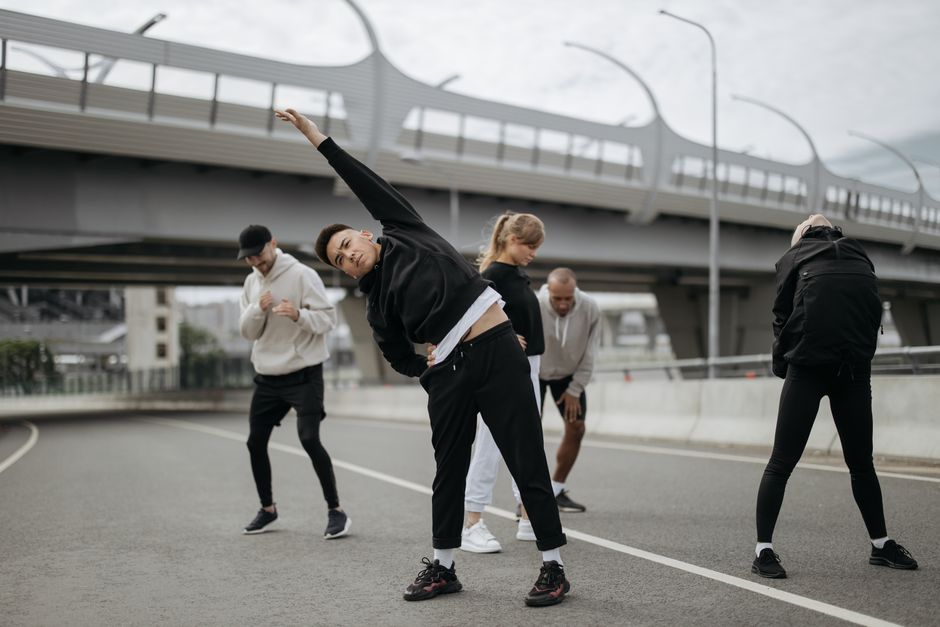
Start with something approachable. Challenge your teen to walk somewhere they've never been—a different neighborhood, a new trail, downtown streets they've only driven past. The goal isn't speed or intensity; it's rediscovering their community and getting blood flowing. If you have a tween, turn it into a photo scavenger hunt using actual cameras, not phones.
Day 2: Speed Intervals (20-30 minutes)
Find an open space—a park, empty parking lot, or quiet street. After a five-minute warm-up walk, your teen alternates one minute of faster movement (jogging, fast walking, or even energetic skipping) with two minutes of easy recovery. Repeat six to eight times. This teen bodyweight workout challenge variation gets hearts pumping without feeling overwhelming.
Day 3: Strength Circuit (30 minutes)
No equipment needed. Set up stations in your backyard or at a local park. Each station lasts one minute: push-ups (knees down is perfectly fine), squats, plank holds, lunges, jumping jacks, and mountain climbers. Complete the circuit three times with two-minute breaks between rounds. Tweens can modify everything—wall push-ups, chair squats, and shorter plank times work beautifully.
Day 4: Active Rest—Nature Immersion (30-90 minutes)
Recovery matters. Today focuses on gentle movement in natural settings. Hiking, easy biking, kayaking, or even gardening all count. The teen nature workout challenge aspect comes from unplugged time outside, letting bodies recover while still moving. This day often becomes the favorite—less structured, more exploratory.
Day 5: Sport or Game Day (45-60 minutes)
Revisit childhood favorites or try something new. Basketball at the local court, frisbee at the park, tennis, skateboarding, or an impromptu soccer game with neighbors all qualify. The competitive element and social aspect make this teenage outdoor activity challenge feel less like exercise and more like actual fun. Invite their friends—accountability multiplies when peers participate.
Day 6: Long Slow Distance (60-90 minutes)
This builds endurance. A longer walk, hike, or bike ride at a conversational pace. Your teen should be able to talk easily throughout. This isn't about speed—it's about sustained movement and building confidence that their body can handle extended activity. Many teens surprise themselves with how far they can actually go.
Day 7: Challenge Choice (30-60 minutes)
Repeat their favorite activity from the week or combine elements from multiple days. Giving your adolescent ownership over the final day reinforces that this spring break workout for students is about finding movement they actually enjoy, not forcing compliance with someone else's program.
Making the Challenge Stick: Practical Implementation Strategies
The difference between a teen spring break fitness challenge that fizzles and one that transforms the week comes down to execution strategies.
Start with negotiation, not mandates. Sit down before spring break begins and present this as an experiment, not a punishment for their screen habits. Ask what sounds appealing and what feels impossible. You'll get more buy-in by incorporating their preferences from the start.
Track it visually. Create a simple chart on your fridge or whiteboard. Checking off completed days provides tangible evidence of progress. That visual momentum matters more than you'd think—nobody wants to break a streak once they're four days in.
Participate with them. Your involvement changes everything, especially for tweens who still want your attention even when they claim otherwise. The adolescent fitness routine spring challenge becomes family bonding time rather than something you're making them do alone. Plus, you'll benefit from the movement too.
Remove friction points. Lay out workout clothes the night before. Pack water bottles. Identify locations in advance. The fewer decisions required on the actual day, the more likely movement happens. Decision fatigue kills motivation faster than actual physical fatigue.
Celebrate micro-wins. Don't wait until day seven to acknowledge progress. Notice increased energy, better moods, improved sleep, or reduced complaints. Naming these teen energy boosting exercises benefits reinforces why the challenge matters beyond just checking boxes.
Quick Wins: Start Here
Not ready to commit to the full seven days? These entry points make starting less intimidating:
Morning movement rule: Just 10 minutes of any activity before screens turn on—walk around the block, dance to three songs, do a quick yoga video
Evening walks: Non-negotiable 20-minute family walk after dinner; talking while walking reduces the "this is exercise" resistance
Earn screen time: Match screen time with movement time—60 minutes of screens requires 30 minutes of outdoor activity first
Friend involvement: Everything becomes easier when friends join; organize one group activity like hiking or park games
Start smaller: Focus on three days instead of seven; success builds confidence for expanding next vacation
Your Spring Break Can Look Different
This spring break doesn't have to follow the same pattern as every other school vacation. A youth wellness challenge outdoor gives structure to otherwise shapeless days and replaces the post-break sluggishness with genuine energy.
The beautiful part? Once your teen experiences how much better movement makes them feel, you won't have to push as hard. Their bodies will remember. That natural feedback loop—movement creating energy that motivates more movement—becomes self-sustaining.
This teenage active living challenge isn't about creating the next Olympic athlete. It's about disrupting sedentary patterns during a week that easily drifts toward unhealthy habits. Some days will go perfectly. Others will require negotiation and compromise. That's completely normal.
What's Your Biggest Challenge?
What prevents your teen from being more active during school breaks? Is it motivation, weather, lack of ideas, or something else entirely?
If you'd like help tailoring this spring break fitness approach to your specific family situation—whether you're working with a reluctant tween, a sports-focused teen who needs active recovery, or multiple kids at different fitness levels—reach out to WizardHQ@AngelinaAllsop.com. Sometimes a few tweaks make all the difference between a plan that sounds good and one that actually works for your unique circumstances.
Blog Post
I notice you haven't provided the text content that needs to be converted to HTML. Please share the blog post text you'd like me to format, and I'll create an optimized HTML version with appropriate headlines, bold text, italics, and styling to make it visually appealing.
 Ir directamente al contenido