As an affiliate, I earn from qualifying purchases, but this doesn't affect the reviews or recommendations—your trust is important to me!
Spring Break Fitness Challenge: Get Active Outdoors This Week
Spring Break Fitness Challenge: Get Active Outdoors This Week
Remember when your kids would burst through the door after school and immediately race outside until dinner? Those days might feel like a distant memory, especially after a long winter of huddling indoors with devices and homework. But spring break offers the perfect reset button—a chance to shake off the winter sluggishness and reconnect your teen or tween with the joy of moving their body outdoors.
Research shows that adolescents who establish active outdoor habits during seasonal transitions are more likely to maintain fitness routines year-round. Plus, spring's moderate temperatures make it ideal for trying new activities without the intensity of summer heat. This isn't about boot camp punishment or forcing your reluctant teen into yet another structured activity. It's about creating a fun, achievable outdoor fitness challenge that builds strength, confidence, and maybe even some family memories before summer arrives.
The Problem With Post-Winter Bodies (And Minds)
Winter does a number on all of us. Your teen or tween has spent months sitting in classrooms, hunched over homework, and probably way too many hours scrolling or gaming. Their body adapted to less movement, less sunshine, and fewer outdoor adventures.
The transition to more active months doesn't happen automatically. Without intentional movement, kids head into summer feeling stiff, low-energy, and disconnected from their physical capabilities. Starting a spring break outdoor workout challenge creates momentum right when they need it most—before summer activities, sports camps, and beach trips begin.
This week-long program gives your family structure without overwhelming anyone. Seven days is manageable, specific, and just long enough to create a habit without triggering resistance.
Day 1-3: Building The Foundation With Outdoor Bodyweight Workouts
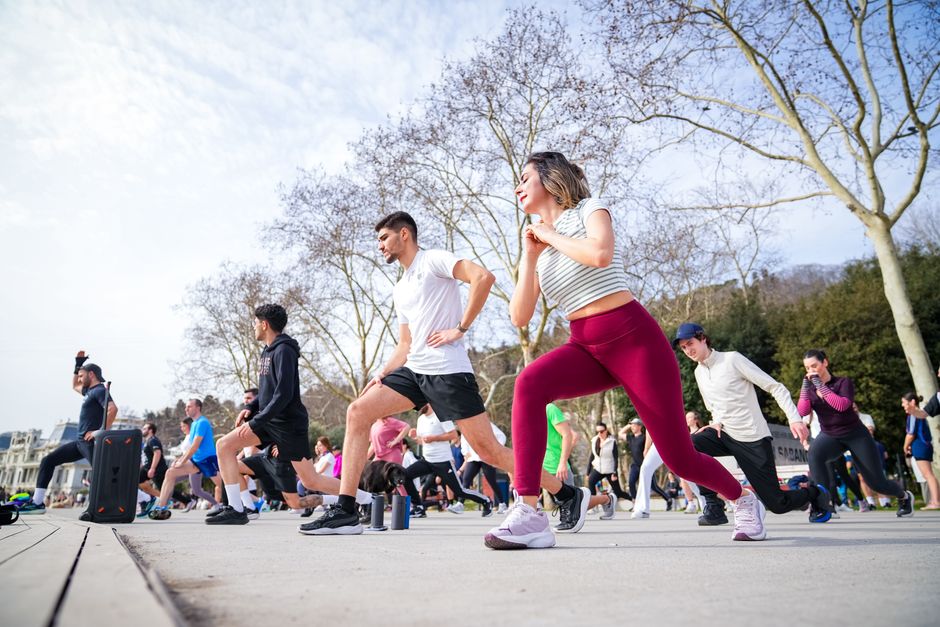
The first three days focus on reawakening muscles that have been dormant all winter. These outdoor circuit training sessions require zero equipment—just bodies, fresh air, and a willingness to try.
Day 1: The Park Circuit
Head to your local park for a 30-minute session. Set up stations using natural features: park benches for step-ups and tricep dips, open grass for burpees and mountain climbers, playground structures for pull-up attempts or hanging challenges. Your teen completes each station for 45 seconds with 15-second rests between.
This spring exercise routine works because it's exploratory. Teens aren't following rigid gym rules—they're experimenting with how their body moves in space. Tweens especially love the playground element, which doesn't feel like "exercise" at all.
Day 2: Trail Walk Intervals
Find a local trail and alternate between power walking and jogging intervals. Walk for two minutes at a brisk pace, jog for one minute, repeat. If your teen or tween balks at jogging, make it a speed-walking competition instead.
The changing scenery keeps minds engaged while legs rebuild endurance. This post-winter workout program phase is all about gentle reintroduction to cardiovascular activity. No one needs to run a marathon—just move consistently for 20-30 minutes.
Day 3: Backyard or Park HIIT
Outdoor HIIT spring sessions deliver maximum results in minimal time—perfect for teens with limited patience for long workouts. Create a simple routine: 20 jumping jacks, 10 push-ups (modified on knees is fine), 15 squats, 10 lunges each leg, 30-second plank. Rest one minute, repeat the circuit three times.
The beauty of this spring workout plan? It's completely adaptable. Struggling teens can do fewer reps or take longer rests. Athletic kids can add extra rounds or increase speed.
Day 4-5: Increasing Intensity For Your Spring Fitness Transformation
Midweek ramps up the challenge slightly. Bodies are remembering how to move, so now we add variety and slightly longer sessions.
Day 4: Hill Repeats and Stairs
Find a moderate hill or a long staircase at a park or stadium. Walk or jog up, walk down for recovery, repeat 8-10 times. This spring training challenge element builds serious leg strength and cardiovascular capacity.
Teens often surprise themselves with what they can accomplish on hill days. There's something psychologically satisfying about conquering an incline repeatedly. Make it interesting by timing each ascent and trying to maintain consistency rather than racing.
Day 5: Sport Skills and Movement Play
This is the fun day. Bring a soccer ball, basketball, frisbee, or football to an open space. Spend 45 minutes playing—shooting hoops, practicing dribbling, throwing passes, or inventing games.
This warm weather workout plan component doesn't feel like structured exercise, which is exactly the point. Your tween especially will embrace this approach. They're building agility, coordination, and speed without realizing they're in the middle of a fitness challenge.
If your teen is resistant, invite a friend to join. Everything's more appealing with peer involvement. This outdoor fitness challenge succeeds when it includes social elements, not just solitary suffering.
Day 6-7: Finishing Strong With Your Pre-Summer Fitness Program
The final two days consolidate everything while adding an adventure element. You're building positive associations with outdoor movement that will carry into summer.
Day 6: Long Exploration Walk or Bike Ride
Go somewhere new—a different neighborhood, a nature preserve, a rails-to-trails path. Spend 60-90 minutes exploring at a moderate pace. Bring water and maybe stop for a treat halfway through.
This isn't about intensity; it's about duration and discovery. Your teen or tween is learning that outdoor activity can be relaxing and interesting, not just challenging. These experiences form the foundation for lifelong fitness habits.
Day 7: Family Challenge Day
Create a family competition or team challenge. Design an obstacle course in your backyard, organize relay races at the park, or do a group workout where everyone demonstrates their favorite exercise.
End with stretching together on the grass and talking about what everyone accomplished this week. This spring shred challenge finale celebrates effort, not perfection. Every family member who showed up and moved their body for seven days deserves recognition.
Quick Wins: Start Here
Not sure your teen or tween will commit to the full program? These strategies increase your odds:
Start the conversation three days before spring break begins so they have mental preparation time and can invite friends to join specific days
Let them choose the time of day for workouts—some teens prefer morning energy, others come alive in the afternoon
Invest in one appealing item like new athletic shoes, a water bottle they actually like, or wireless earbuds for motivation
Join them for every single session because teens and tweens need parental participation way more than they'll admit
Track progress visually with a simple chart on the fridge where they check off completed days—that dopamine hit of marking accomplishment matters
You've Got This
Seven days of intentional outdoor movement might seem ambitious right now, but it's incredibly doable. Your teen or tween doesn't need to become an athlete this week—they just need to remember that their body can do hard, fun, rewarding things outside the digital world.
Spring break offers a rare pause in the academic grind. Using it to build physical confidence and outdoor habits sets your child up for a summer of adventures instead of screen-time default mode. Plus, you might be surprised how much you enjoy this spring break exercise plan yourself.
The best summer bodies aren't built in gyms—they're built through consistent outdoor movement that starts right now.
What's Your Plan?
Which day of this outdoor workout week sounds most appealing to your family? Are you ready to tackle this springtime fitness challenge together, or do you need modifications for your specific situation?
Reach out to WizardHQ@AngelinaAllsop.com with ideas on how to tailor this blog to make it more relevant to you. Whether you need adaptations for different fitness levels, strategies for reluctant movers, or creative variations that match your family's interests, let's figure out what works for your crew.
 Ir directamente al contenido