As an affiliate, I earn from qualifying purchases, but this doesn't affect the reviews or recommendations—your trust is important to me!
10 Backyard Astronomy Projects Perfect for Spotting the Summer Meteor Showers This Week
10 Backyard Astronomy Projects Perfect for Spotting the Summer Meteor Showers This Week
Last August, my neighbor's fourteen-year-old daughter spotted forty-three meteors in under an hour from their backyard. No telescope. No fancy equipment. Just a lawn chair, a homemade star chart, and the determination to break her previous record. She's been screen-free every clear night since, tracking celestial events with the dedication most teens reserve for their favorite shows.
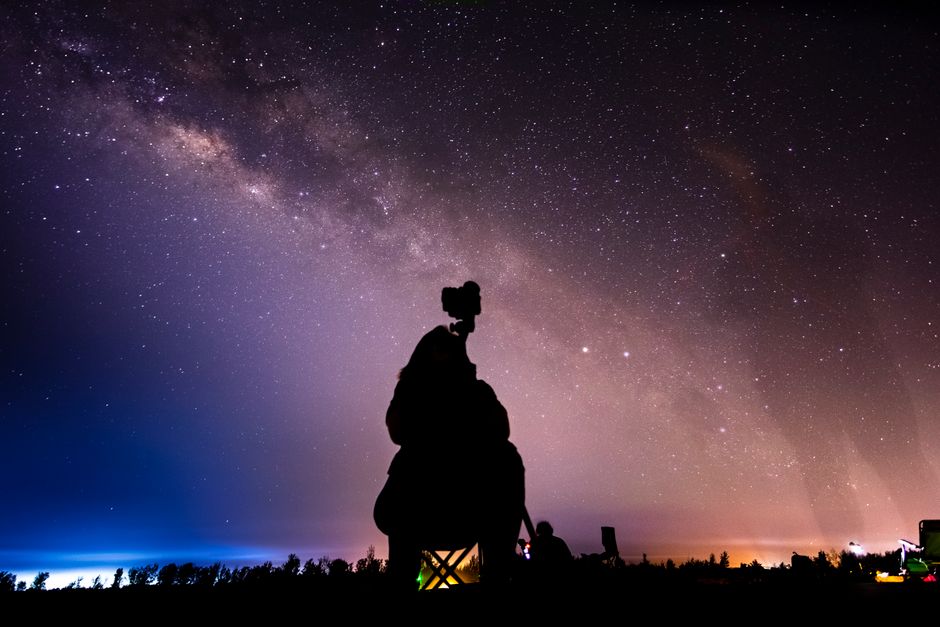
The summer meteor showers are nature's most accessible fireworks display. Unlike most astronomical events that require expensive equipment or expert knowledge, meteor showers deliver spectacular views to anyone willing to look up. This week presents the perfect opportunity to introduce your teen or tween to backyard astronomy projects that turn screen time into sky time.
The Problem with Peak Summer Boredom
Summer hits week four, and you've already heard "I'm bored" seventeen times. The pools are crowded, video game time is maxed out, and you're searching for activities that genuinely capture your teen's attention without another screen.
Backyard stargazing activities solve this uniquely modern problem. They offer the perfect blend of independence, creativity, and real-world science that resonates with this age group. Your teen gets outdoor time that doesn't feel forced, learns genuine skills, and engages in activities they'll actually want to repeat.
Meteor showers create natural deadlines and goals—perfect for tweens and teens who thrive on challenges and measurable achievements.
Simple Astronomy Projects That Require Zero Equipment
Start with projects that remove barriers to entry. Your teen doesn't need permission to haul out expensive gear or worry about breaking something valuable.
The Meteor Count Challenge
The Meteor Count Challenge transforms observation into competition. Give your teen a notebook, red flashlight (made by covering a regular flashlight with red cellophane), and a timer. Challenge them to count meteors in fifteen-minute intervals throughout the evening. They'll develop observation skills while competing against their own records. For social teens, this becomes even better when friends join remotely, comparing counts via text the next morning.
The Constellation Finder Game
The Constellation Finder Game uses only their eyes and a printable star map. Print free constellation charts from NASA's website, and challenge your tween to locate five constellations before the meteor shower begins. This DIY meteor watching project builds their celestial navigation skills and helps them provide context when they spot shooting stars. "I saw one right above Cassiopeia!" sounds much cooler than "I saw one somewhere up there."
The Naked Eye Observation Journal
The Naked Eye Observation Journal encourages detailed note-taking without equipment. Your teen records meteor colors (yes, they vary—green, white, orange), brightness levels, streak lengths, and exact locations in the sky. This telescope-free astronomy approach teaches scientific observation methods while keeping them engaged for hours.
Creative Recording Projects for Artistic Types
Not every teen connects with pure science. Some need creative outlets that blend art with astronomy.
Meteor Shower Sketching
Meteor Shower Sketching combines observation with artistic expression. Provide sketch pads and white pencils on black paper. Your teen draws the night sky, marking meteor paths as white streaks across their constellation drawings. These become beautiful keepsakes that document real celestial events. One parent told me her daughter's sketches from the Perseids now hang framed in their hallway—the teen's favorite art project ever.
Star Trail Photography
Star Trail Photography teaches basic camera skills without requiring professional equipment. Most smartphones have night mode features. Your teen sets up their phone on a stable surface (books stacked on a table work perfectly), points it skyward, and captures long exposures. The Earth's rotation creates stunning curved star trails. Add meteors to those trails, and you've got frame-worthy night sky photography projects.
The Audio Observation Diary
The Audio Observation Diary works brilliantly for teens who process through talking. They use voice memos to record their thoughts, observations, and reactions throughout the viewing session. "It's 10:47, I just saw my eighth meteor, and it was bright green—that was amazing!" These audio journals capture authentic excitement and create lasting memories they'll love revisiting.
Meteor Path Mapping
Meteor Path Mapping combines observation with spatial reasoning. Your teen uses a large piece of poster board marked with constellation positions and draws each meteor's path across the sky. By night's end, they'll see patterns emerge—most meteors in a shower originate from the same radiant point. This visual representation makes abstract astronomical concepts suddenly concrete.
Advanced Projects for the Seriously Curious
Some teens and tweens dive deep when something captures their interest. These beginner stargazing projects offer more complexity without overwhelming costs.
Advanced Beginner Projects for Engaged Teens
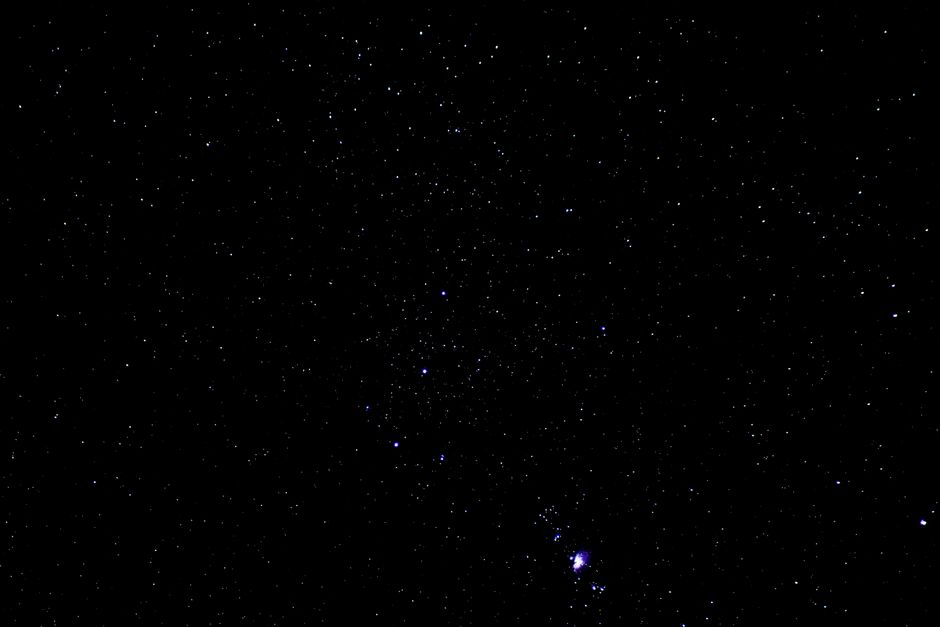
The Binocular Deep Sky Challenge requires only basic binoculars (which most families already own). While waiting for meteors, your teen hunts for deep sky objects—the Andromeda Galaxy, the Orion Nebula, Jupiter's moons. Binoculars reveal hundreds of celestial objects invisible to naked eyes. This transforms downtime between meteors into active exploration rather than distracted phone-checking.
The Light Pollution Study appeals to scientifically-minded teens. Using free light meter apps, they measure sky brightness from different locations in your yard, neighborhood, and nearby areas. They correlate these measurements with meteor counts, creating real science fair-worthy data about how light pollution affects observation. This home astronomy activity teaches research methodology while producing genuinely useful information.
The Meteor Shower Prediction Project challenges teens to calculate optimal viewing times. Using free astronomy software like Stellarium, they determine when the shower's radiant point reaches maximum elevation for your location. They factor in moonrise times, weather predictions, and historical shower data to pinpoint the absolute best viewing window. When their calculations prove accurate, the confidence boost is incredible.
Multi-Night Comparison Studies teach consistency and long-term observation. Your teen commits to viewing sessions on three different nights during the shower's active period, documenting how meteor rates change. They create graphs showing peak activity periods, learning data visualization while tracking real celestial events.
Quick Wins: Start Here
Getting started tonight? These summer sky observation ideas require minimal preparation:
Set up a viewing station two hours before your target time. Lay out blankets, chairs, or sleeping bags in the darkest part of your yard. Let your teen arrange their space—ownership matters.
Download a free star map app for daytime practice. Your tween can learn constellation positions before darkness falls, building confidence and excitement. Sky Map and Star Walk Lite work beautifully.
Create red flashlights using cellophane and rubber bands. Red light preserves night vision while allowing your teen to read star charts and take notes. This simple DIY project takes three minutes and makes them feel like serious astronomers.
Pack a "meteor watching kit" together. Include notebooks, snacks, water bottles, and extra layers. The preparation ritual builds anticipation and ensures comfort during viewing sessions.
Start with a thirty-minute commitment. Don't pressure all-nighters immediately. Short, successful sessions build enthusiasm for longer viewing adventures. Your teen can always stay longer if they're engaged.
Making Memories Beyond Screens
These backyard meteor shower projects create something increasingly rare—extended periods where your teen chooses to disconnect from screens without feeling forced. They're not avoiding technology because you said so; they're pursuing something genuinely more interesting.
The shooting star observation skills your teen develops transfer everywhere. Patience, attention to detail, scientific thinking, and appreciation for experiences over entertainment—these matter far beyond astronomy. Plus, you're creating summer memories they'll actually remember fondly instead of another forgettable scroll session.
This week's meteor showers offer the perfect low-stakes entry point. The sky's putting on a show regardless, so why not grab some blankets and see what happens?
What's keeping your family from trying these meteor shower viewing tips tonight? Maybe you're worried about late nights on school break, unsure which projects match your teen's interests, or wondering how to maintain enthusiasm beyond the first night. I'd love to hear what's working (or what's not) with your family's outdoor night sky projects. Reach out to WizardHQ@AngelinaAllsop.com with ideas on how to tailor this blog to make it more relevant to you.
 Skip to content