As an affiliate, I earn from qualifying purchases, but this doesn't affect the reviews or recommendations—your trust is important to me!
Build Your Own Pinhole Projector to View the Geminid Meteor Shower
The Geminid meteor shower peaks this weekend, and it's one of the most spectacular celestial shows of the year. While most people think meteor watching means simply looking up at the sky, creating a DIY pinhole projector meteor shower viewing station transforms this astronomical event into an engaging, screen-free activity that tweens and teens will actually want to participate in.
This isn't just about seeing shooting stars. It's about building something together, learning the science behind what you're observing, and creating a memorable experience that doesn't involve a single notification, scroll, or screen glow. The Geminids produce up to 120 meteors per hour at their peak, with bright, colorful streaks that are visible even in moderately light-polluted areas. Your homemade viewer can help frame and focus the experience, making it more intentional and less about standing around in the cold wondering what you're supposed to be looking for.
The Challenge of Meaningful Stargazing with Kids
The Challenge of Meaningful Stargazing with Kids
Getting tweens and teens excited about nature can feel like an uphill battle. They're used to instant gratification, bright screens, and constant stimulation. Standing outside in the dark waiting for meteors sounds about as appealing to them as watching paint dry.
But here's what changes the game: giving them ownership of the experience. When your kids build their own viewing equipment, they invest in the outcome. They're not just passive observers being dragged outside by enthusiastic parents. They become astronomers, engineers, and explorers.
A DIY pinhole projector meteor shower setup serves as both a hands-on craft project and a functional viewing tool. While traditional pinhole projectors are designed for solar viewing, we're adapting the concept to create a viewing frame and light management system that enhances meteor observation.
Understanding What Makes This Weekend Special
The Geminid Meteor Shower: A Family Viewing Guide
The Geminid meteor shower occurs every December when Earth passes through the debris trail left by asteroid 3200 Phaethon. Unlike most meteor showers that originate from comets, the Geminids come from an asteroid, which makes them unique and scientifically fascinating.
This weekend marks the shower's peak activity, typically around December 13-14. The meteors appear to radiate from the constellation Gemini, which is how they got their name. What makes them particularly special for family viewing is their reliability and brightness. The Geminids rarely disappoint.
Explaining this to your kids while building your viewer gives context to what you'll see. Your teen might roll their eyes initially, but there's something inherently cool about connecting with an astronomical event that's been happening for thousands of years. The rocks burning up in our atmosphere traveled through space for who knows how long before creating that brilliant streak.
Why a Viewing Station Works
Your pinhole projector setup serves multiple purposes. It creates a focused viewing frame that blocks peripheral light pollution, helps your eyes adjust to darkness more effectively, and gives younger kids something tangible to "operate" while watching. Think of it as a viewing station rather than a traditional projector.
The materials cost almost nothing. You probably have everything you need already sitting in your recycling bin or craft closet.
Building Your Viewing Station Step by Step
Materials You'll Need
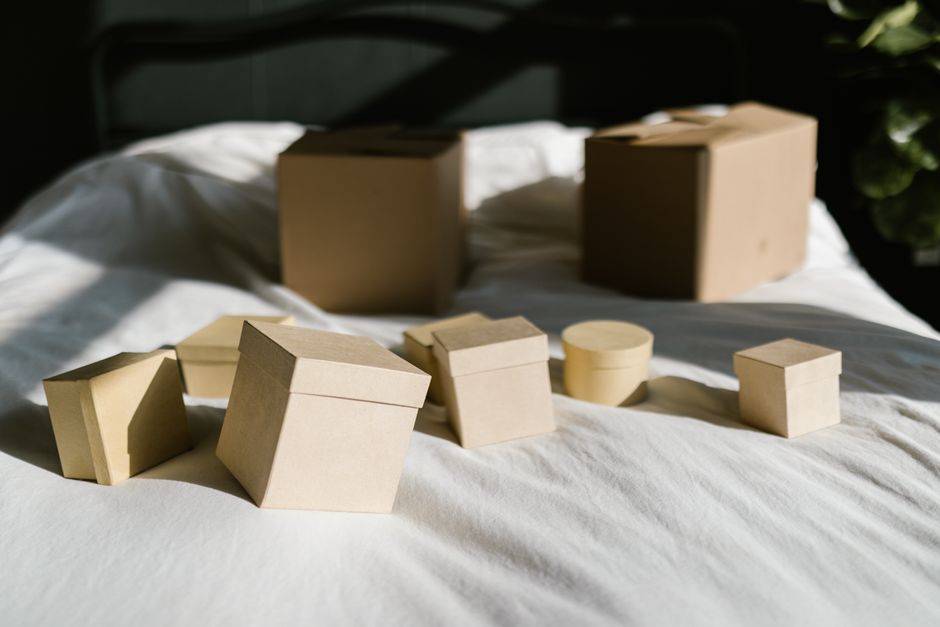
You'll need a large cardboard box (shoebox to moving box size, depending on how elaborate you want to get), black construction paper or black paint, aluminum foil, tape, scissors or a craft knife, and a small pin or needle. Optional additions include a small flashlight with red cellophane, a notebook for recording observations, and star charts.
Building Your Meteor Viewer
Start by cutting viewing windows in your box. If you're using a shoebox, cut a large rectangular window on one of the longer sides and a smaller eyepiece window on the opposite end. The large window faces the sky, while the smaller window is where viewers look through. This creates a light-controlled tunnel that frames your view of the night sky.
Line the inside of your box completely with black construction paper or paint it black. This step is crucial because it eliminates internal reflections and helps with dark adaptation. Your eyes need about 20-30 minutes to fully adjust to darkness for optimal meteor viewing, and any stray light interferes with this process.
For the pinhole element, cover your large sky-facing window with aluminum foil, securing it tightly with tape. Use your pin to create several small holes in a pattern across the foil. These pinholes serve two purposes: they limit light entry for better contrast and create multiple "viewing channels" that can be assigned to different family members.
Customization for Different Ages
Now here's where you customize based on age. Tweens might enjoy decorating the outside of their box with constellation drawings, glow-in-the-dark paint, or space-themed stickers. Teens might appreciate the challenge of creating a more sophisticated design with multiple viewing angles or incorporating a smartphone mount for time-lapse photography (though the goal is screen-free viewing, capturing the setup itself can be engaging).
Adding the Finishing Touches
Create a red-light flashlight by wrapping red cellophane around a small flashlight and securing it with a rubber band. Red light preserves night vision, so this becomes your only light source during viewing. Your kids can use it to record observations in their notebooks without ruining their dark adaptation.
The entire build takes 30-60 minutes depending on complexity and how much your kids get invested in customization. This is time spent together without screens, using hands and creativity, which is valuable regardless of whether you see a single meteor.
Making the Most of Viewing Night
Timing and Location
Timing matters significantly. The Geminids are best viewed after 9 PM when Gemini rises in the eastern sky, with peak activity typically occurring between midnight and dawn. This creates an automatic adventure opportunity—staying up late with parental permission is already exciting for most kids.
Location doesn't have to be exotic. Your backyard works fine, though getting away from city lights improves the experience dramatically. Even driving 15-20 minutes away from town makes a noticeable difference. If you can, scout your location during daylight so you know where you'll set up.
Comfort is Key
Comfort is non-negotiable for successful family stargazing. Bring reclining lawn chairs or a blanket to lie on, because you'll be looking up for extended periods. Dress in layers—it'll be colder than you think. Hot chocolate in thermoses, warm blankets, and maybe some treats make this feel special rather than like an endurance test.
Setting Expectations
Set expectations appropriately. Meteor showers aren't constant fireworks displays. There are quiet periods. This is actually perfect for conversation, for noticing other aspects of the night sky, for listening to the silence that your family rarely experiences together.
Your pinhole viewing stations create structure during those quiet moments. Kids can take turns using them, comparing what they see through different viewing angles, and recording observations. The act of "operating" equipment keeps hands busy and minds engaged.
Educational Opportunities
Make it educational without being preachy. Download a stargazing app beforehand (yes, briefly using screens to enhance a screen-free experience is allowed) and identify a few major constellations visible that night. Print out star charts so kids can check them with red flashlights. When you see a meteor, talk about what's actually happening—a rock the size of a pebble burning up 50-80 miles above your heads.
Encourage your teens to bring a friend. Shared experiences create stronger memories, and there's something about being outside under the stars that facilitates real conversation. You might overhear your teen actually talking to their friend about something meaningful, which is worth the price of admission alone.
Quick Wins: Start Here
If you're short on time or need to convince skeptical kids this is worth doing, try these approaches:
Start with just a simple viewing frame made from a cereal box with one end cut out and the inside painted black—it takes 10 minutes and proves the concept
Let your teen be in charge of the build entirely while you just provide materials and maybe coffee
Frame this as practice for the next solar eclipse, when pinhole projectors become essential safety equipment
Invite another family to build viewers together and make it a social event with multiple viewing stations
Create a competition for who spots the most meteors, with small prizes or the winner choosing breakfast the next morning
The point isn't perfection. Your first DIY pinhole projector meteor shower setup might be crude, and that's completely fine. What matters is the time spent building together and the shared experience of looking up instead of down at screens.
Creating Lasting Memories Under the Stars
The Geminid meteor shower happens once a year, but the memory of building something with your hands and then using it to explore the universe stays much longer. In a world where your kids spend hours daily on devices, these analog moments of wonder become increasingly precious.
Your homemade viewing station might end up in the recycling bin next week, or it might get saved for the next astronomical event. Either way, you've created something together. You've learned, built, and experienced awe as a family.
The night sky connects us to every generation of humans who've ever looked up and wondered. When your teen sees their first bright Geminid streak across the constellation and actually gasps with genuine excitement, you'll understand why this matters.
What's your family's biggest challenge when trying screen-free activities—finding things that engage both tweens and teens, or just getting initial buy-in? Reach out to WizardHQ@AngelinaAllsop.com with your thoughts on how to tailor this blog to make it more relevant to your specific situation.
 Skip to content