As an affiliate, I earn from qualifying purchases, but this doesn't affect the reviews or recommendations—your trust is important to me!
Build Your Own Rain Gauge: A March Weather Science Project
March brings unpredictable spring showers, and there's something magical about watching your child's eyes light up when they measure rainfall they predicted themselves. According to the National Weather Service, engaging kids in hands-on weather observation increases their understanding of scientific concepts by up to 60% compared to traditional learning methods. That's a significant boost, especially when the activity costs next to nothing and gets them away from screens.
Last week, my neighbor's daughter spent three hours outside monitoring her DIY rain gauge for kids spring science project. Three hours. Without once asking for her phone. She was so absorbed in recording data and comparing her measurements to the local weather station's reports that she forgot about everything else. That's the power of turning everyday weather into an engaging scientific adventure.
This simple children's homemade rain measurement craft transforms your backyard into a living laboratory where tweens and teens can observe, measure, and analyze real meteorological data.
The Problem with Screen Time and the Solution in Your Backyard
The Problem with Screen Time and the Solution in Your Backyard
We all know the struggle. Teens scroll endlessly through social media, while tweens beg for just one more gaming session. The average child now spends over seven hours daily on screens, and finding activities that genuinely compete with digital entertainment feels nearly impossible.
The beauty of a spring weather tracking activity for students lies in its real-world relevance. Your kids aren't just crafting something to sit on a shelf—they're building a functional tool that provides actual data. When they can compare their measurements with professional meteorologists and see they're tracking the same storm system, suddenly science becomes tangible and exciting.
This March precipitation monitoring experiment meets kids where their natural curiosity lives. Weather affects their daily lives—whether soccer practice gets cancelled, if they need an umbrella, when the garden needs watering. Connecting science to these everyday decisions makes learning meaningful.
Materials You'll Need for Your Easy Rain Collector Science Lesson
Building a Backyard Rainfall Measurement for Children
Building a backyard rainfall measurement for children requires basic household items you probably already have. No special trips to expensive craft stores or ordering obscure supplies online.
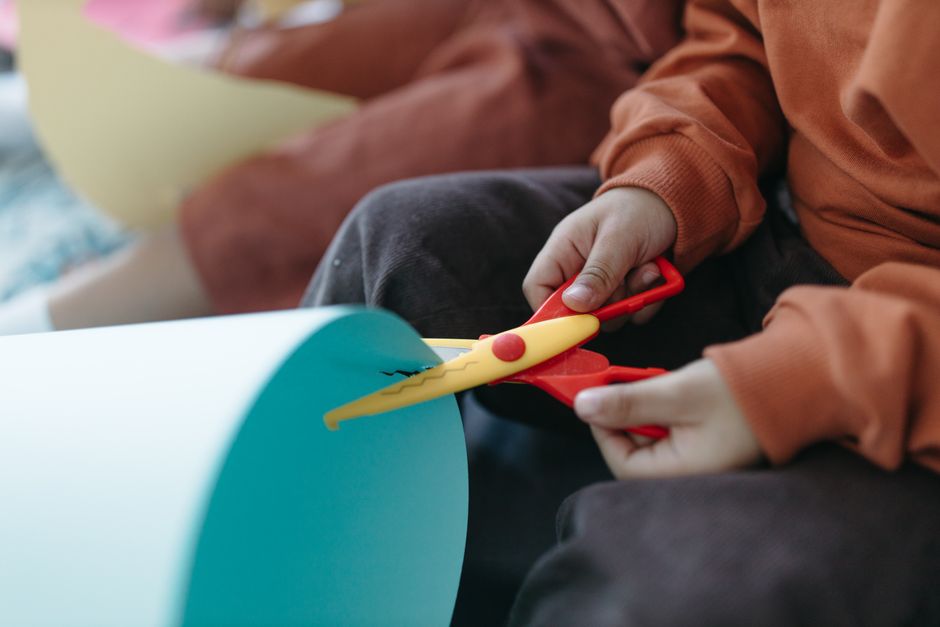
Grab a clear plastic bottle—a 2-liter soda bottle works perfectly. You'll also need a permanent marker, a ruler, scissors, small stones or marbles for weight, and waterproof tape. That's it. The entire materials list costs under five dollars if you need to purchase anything.
Why Simplicity Matters
The simplicity matters. When kids can gather supplies themselves and understand how each component functions, they develop problem-solving skills and scientific reasoning. Your tween learns why the bottle needs to be clear (observation), why stones anchor the base (stability in wind), and why markings must be permanent (water resistance).
Taking It to the Next Level
For teens ready for more complexity, consider adding a graduated cylinder for precise measurements or creating multiple gauges to test different locations. Does rainfall differ between the front and back yard? Near the house versus an open field? These variables turn a basic project into a genuine backyard experiment.
Make It Personal
Let them personalize their spring shower monitoring STEM activity with weather-resistant decorations or a painted base. Ownership increases engagement. When it's "their" weather station, they'll check it religiously.
Step-by-Step Construction of Your Simple Weather Station Project Kids
Building Your Rain Gauge
Cut your plastic bottle approximately one-third down from the top. The upper portion becomes a funnel, while the lower section serves as your collection container. Flip the top upside down and nestle it into the bottom piece, creating a funnel that prevents evaporation—a critical detail for accurate measurements.
Tape the two sections together securely. This joint must withstand wind, rain, and curious wildlife. Use quality waterproof tape and wrap it multiple times. Nothing's more frustrating than finding your homemade precipitation tracker craft in pieces after the first storm.
Adding Stability and Measurements
Add stones or marbles to the bottom for stability. Your teen can calculate the optimal weight needed based on typical wind speeds in your area—there's bonus math integration. Then comes the measurement marking, which teaches precision and attention to detail.
Using the ruler and permanent marker, create measurement lines starting from the top of your stone layer. Mark every quarter-inch or, for older kids working with metric measurements, every centimeter. The more precise the markings, the better the data collection for this elementary rain measurement experiment.
Placement and Location
Place your gauge in an open area away from trees, buildings, or anything that might block or redirect rainfall. This placement conversation introduces concepts of experimental controls and environmental variables. Why does location matter? How might a tree's canopy affect results? Let them hypothesize, then test their theories.
For this springtime weather science activity, consistency in placement is everything. Once positioned, the gauge shouldn't move throughout the tracking period. Mark the spot so if it gets knocked over, you can return it to the exact location.
Making the Most of Your DIY Rainfall Collector Tutorial
The Real Learning Begins After Construction
This isn't a one-day craft—it's an ongoing kids March science weather project that builds momentum as spring progresses.
Create a tracking sheet where your child records daily measurements, preferably at the same time each day. Include columns for date, time, rainfall amount, weather conditions (cloudy, sunny, windy), and predictions for the next day. This home rain measurement activity teaches data organization and pattern recognition.
After each measurement, have them empty the gauge and return it to position. Tracking cumulative rainfall over weeks or months reveals trends that daily observations miss. March's total precipitation compared to April's numbers tells a story about seasonal changes.
Encourage comparison with professional weather data. Local news stations and weather apps provide official rainfall measurements. How close are your child's readings? Discussing discrepancies introduces conversations about measurement error, instrument calibration, and scientific accuracy. These aren't failures—they're learning opportunities.
Take this spring STEM weather experiment further by connecting rainfall to other observable phenomena. Do certain rain amounts correspond with specific cloud types? Does barometric pressure (easily tracked with a smartphone app) predict upcoming showers? Can they forecast rain based on patterns they've observed?
For teens interested in technology, help them create graphs or charts visualizing their data. Spreadsheet programs make excellent tools for this beginner rain gauge construction project, teaching both meteorology and digital literacy simultaneously.
Consider joining online citizen science projects like CoCoRaHS (Community Collaborative Rain, Hail and Snow Network), where your teen's measurements contribute to actual meteorological research. Knowing their data matters to real scientists transforms this from a children's meteorology craft project into meaningful contribution.
Quick Wins: Start Here
If you're ready to launch this classroom rain tracking activity (perfect for homeschoolers or as enrichment for traditionally-schooled kids), these quick wins get you started immediately:
Build the basic gauge this weekend—construction takes less than 30 minutes, and you'll catch whatever rain March brings next week.
Set up a simple tracking chart—even a notebook with hand-drawn columns works perfectly for recording this outdoor spring science lesson data.
Make measurement a daily routine—attach it to an existing habit like morning breakfast or after-school snack time for consistency.
Photograph the gauge weekly—visual documentation helps kids see water levels clearly and creates a portfolio of their hands-on precipitation project kids work.
Compare with one official source—pick a single reliable weather station for daily comparison to keep the process manageable and build confidence in their measurements.
Your Backyard Weather Station Awaits
Building this March weather observation activity takes minimal time, costs almost nothing, and creates weeks of screen-free engagement. More importantly, it teaches your tween or teen that science isn't something that only happens in textbooks or laboratories—it's happening right now, in your own backyard, whether we pay attention or not.
The skills they develop—observation, measurement, data recording, pattern analysis, hypothesis testing—extend far beyond meteorology. These are foundational scientific thinking skills that serve them in every academic subject and in everyday problem-solving throughout life.
So grab that empty bottle and get started. The next spring shower is coming, and for the first time, your child will be genuinely excited to see those rain clouds rolling in.
What weather phenomenon would your child most want to track next—temperature changes, wind speed, or something else entirely? If you'd like ideas on how to tailor this blog to make it more relevant to you and your family's specific interests or learning goals, reach out to WizardHQ@AngelinaAllsop.com. We're here to help you create meaningful, screen-free learning experiences that match your child's unique curiosity.
 Skip to content