As an affiliate, I earn from qualifying purchases, but this doesn't affect the reviews or recommendations—your trust is important to me!
Indoor Rock Climbing: Beat Winter Blues & Build Spring Sports Strength
Indoor Rock Climbing: Beat Winter Blues & Build Spring Sports Strength
Winter can feel like it lasts forever when you've got restless tweens and teens bouncing off the walls. The days are short, the weather's unpredictable, and your kids are probably spending way too much time staring at screens because, honestly, what else is there to do?
Here's something that might surprise you: indoor rock climbing has become one of the fastest-growing youth activities in the country, with participation increasing by over 40% in the past five years. And there's a good reason why parents are gravitating toward climbing gyms during these long winter months.
Unlike scrolling through TikTok or gaming for hours, indoor climbing gives kids an actual physical challenge that's also genuinely fun. It's not another organized sport with tryouts and cuts—it's an activity where every kid can progress at their own pace while getting an incredible full-body workout. Plus, the indoor climbing workout benefits extend far beyond just building muscle, offering mental challenges that keep young minds engaged when seasonal affective disorder and cabin fever start creeping in.
Winter Activity Solutions for Kids
The Problem: Winter Drains Our Kids Physically and Mentally
Winter does a number on our kids. The lack of sunshine messes with their mood and energy levels. School sports are either on break or stuck in crowded, stuffy gyms. And without the natural outlet of summer activities—biking, swimming, outdoor pickup games—many tweens and teens default to the easiest option: screens.
You've probably noticed it. Your once-active kid is suddenly lounging on the couch more often. Their energy seems lower. Maybe they're more irritable or withdrawn. This isn't laziness—it's a natural response to the season's limitations.
The challenge is finding activities that genuinely appeal to this age group during the coldest, darkest months. It needs to be social enough to be fun, challenging enough to be interesting, and different enough from their regular routine to actually get them off the couch.
Physical Powerhouse: The Indoor Climbing Fitness Advantages Your Kids Need
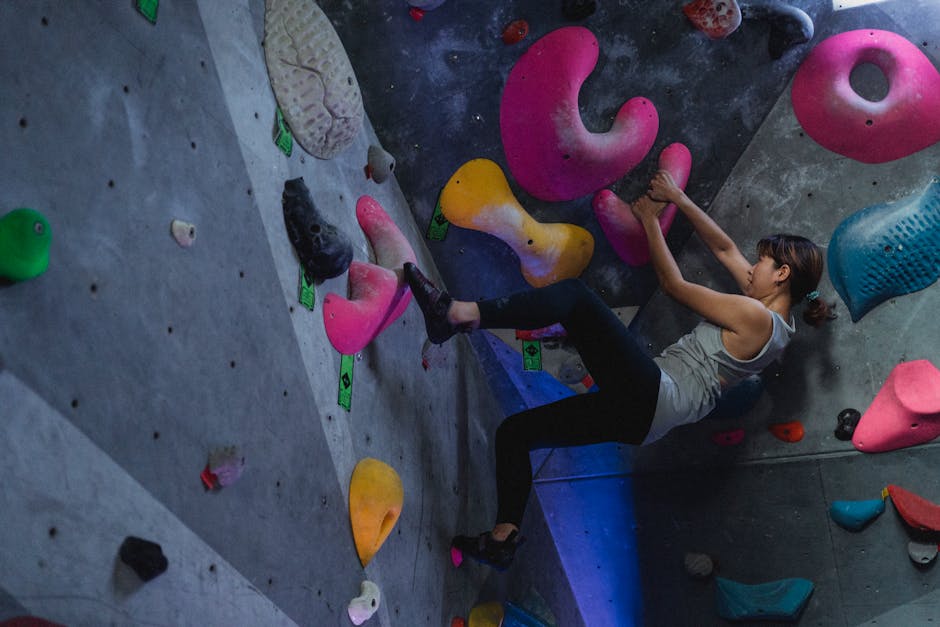
Indoor climbing delivers what traditional winter gym classes often can't: a workout that doesn't feel like work. When your teen is figuring out how to reach the next hold, they're not thinking about how hard their muscles are working—they're just focused on solving the puzzle in front of them.
The rock climbing gym health perks are substantial and varied. Every climb engages nearly every muscle group simultaneously. Arms and shoulders pull the body upward. Core muscles stabilize and maintain balance. Legs do the heavy lifting (literally—proper climbing technique means your legs should be doing most of the work). Even fingers and forearms develop serious strength from gripping holds of various sizes and shapes.
What makes this particularly valuable is the functional nature of the strength development. Unlike isolated exercises that target specific muscles, indoor bouldering strength training builds the kind of coordinated, full-body power that translates directly to spring sports performance. Basketball players develop better vertical leap and upper body control. Soccer players gain core stability that improves their balance and agility. Baseball and softball players build the shoulder and back strength crucial for throwing power.
The cardiovascular component is sneaky but significant. A typical climbing session involves repeated bursts of intense effort followed by brief rest periods—basically interval training without the monotony of running sprints. The climbing gym cardio advantages come from this natural high-intensity pattern that gets hearts pumping and builds endurance without kids even realizing they're doing cardio work.
Research shows that just one hour of climbing can burn 500-900 calories depending on intensity and body weight. But perhaps more importantly, it builds the kind of grip strength, flexibility, and body awareness that improves overall athletic performance across virtually every sport.
Mental Game-Changer: Problem-Solving That Beats Screen Time
This is where climbing really shines for the tween and teen age group. Every climbing route (called a "problem" in bouldering or a "route" in top-rope climbing) is essentially a physical puzzle. Which holds should you use? How do you position your body? What sequence of moves will get you to the top?
Your kids are making dozens of quick decisions with every climb. They're assessing risk, planning strategy, and adapting when their first approach doesn't work. These are exactly the kinds of executive function skills that get underdeveloped when kids spend too much time in the passive consumption mode that screens encourage.
The winter climbing exercise rewards include significant mental health benefits. Physical activity releases endorphins, and the problem-solving aspect of climbing provides the kind of engaging mental stimulation that combats winter doldrums. When kids successfully complete a route they've been working on—especially one that took multiple attempts—the confidence boost is real and tangible.
There's also something powerful about the climbing gym environment for this age group. It's naturally social without being team-based. Kids can climb independently or with friends. There's no pressure to perform at a certain level or keep up with teammates. The only real competition is with yourself and the wall.
Many parents report that their previously screen-addicted teens actually ask to go to the climbing gym. The activity provides enough novelty, challenge, and social opportunity to genuinely compete with the pull of devices.
Perfect Pre-Season Conditioning: Indoor Climbing Cross Training Benefits
If your tween or teen plays spring sports, these winter months are prime training time. But getting kids to stick with traditional conditioning programs—running, lifting weights, doing drills—is often an uphill battle.
Indoor climbing solves this motivation problem while delivering exceptional indoor climbing sports preparation. The rock climbing strength development happens naturally through the activity itself, building the exact kind of functional fitness that translates to better sports performance.
Consider the climbing wall workout gains for different athletes. Track and field competitors develop explosive power in their legs and core stability. Tennis players build the shoulder strength and flexibility crucial for powerful serves. Swimmers gain upper body and core strength while improving their body awareness and control.
The indoor climbing conditioning benefits also include improved flexibility. Reaching for distant holds requires significant range of motion in hips, shoulders, and ankles. Over time, regular climbing naturally increases flexibility in ways that reduce injury risk when spring sports season starts.
Perhaps most valuable is the way climbing develops mental toughness. When you're halfway up a challenging route, feeling tired, with just a few more moves to reach the top—that's when you learn to push through discomfort and self-doubt. That mental resilience carries directly into competitive sports situations.
Quick Wins: Start Here
Ready to give indoor climbing a try? Here's how to make it easy and successful:
Find your local gym: Most cities now have at least one climbing gym, and many offer youth programs, teen nights, and family climbing sessions. Call ahead and ask about beginner packages.
Start with an intro class: Most gyms require a brief orientation for first-timers that covers safety basics and proper equipment use. Book this first—it makes everything less intimidating.
Rent before you buy: Climbing shoes and harnesses (if needed for rope climbing) can be rented inexpensively. Don't invest in gear until you know your kids will stick with it.
Go during off-peak hours: Weekday afternoons or early weekend mornings tend to be less crowded, giving beginners more space and attention from gym staff.
Make it social: Bring a friend or sibling along. The social component often makes the difference between a one-time try and a regular activity.
Small Steps, Big Changes
Winter doesn't have to mean a season-long battle with screens and couches. Indoor climbing offers a genuine alternative that builds both physical strength and mental resilience—exactly what our kids need during these challenging months.
The beauty of the bouldering workout advantages is that they're accessible regardless of current fitness level. Beginners can start with easy routes and gradually progress. There's no cuts, no tryouts, no pressure to perform at someone else's standard.
Your tween or teen might surprise you. That kid who groans at the mention of going to the gym might actually light up when faced with the challenge of conquering a climbing wall. Sometimes all it takes is finding the right activity that speaks to them.
What's Holding You Back?
Have you tried indoor climbing with your kids? What activities have you found that successfully pull your tweens and teens away from screens during winter months?
If you're looking for more ideas on screen-free activities tailored to your family's specific interests and situation, reach out to WizardHQ@AngelinaAllsop.com. We'd love to help you discover what works best for your crew.
 Skip to content