As an affiliate, I earn from qualifying purchases, but this doesn't affect the reviews or recommendations—your trust is important to me!
10 Creative Summer Reading Challenges to Beat Boredom
10 Creative Summer Reading Challenges to Beat Boredom
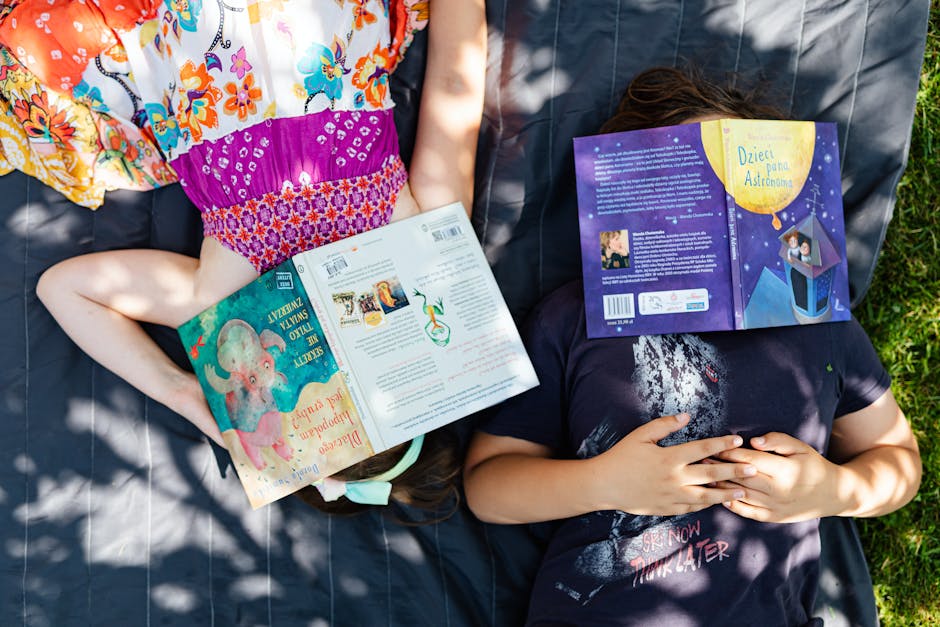
The first week of summer vacation always feels the same. Your kids are thrilled to be free from school schedules, but by day three, you're already hearing "I'm bored" echoing through the house. According to recent studies, students can lose up to two months of reading skills over summer break—a phenomenon teachers call the "summer slide." But here's the thing: keeping your tween or teen engaged with books doesn't have to feel like pulling teeth.
Summer reading challenges offer the perfect solution. They transform reading from a chore into an adventure, giving kids the structure they crave while maintaining that sweet summer freedom. These aren't your typical "read 20 books" lists that feel more like homework assignments. These are creative, engaging summer reading challenge ideas for kids that actually make them want to pick up a book.
Summer Reading Challenges for Tweens
The Problem With Traditional Summer Reading
Let's be honest—most summer reading programs miss the mark for this age group. Your tween just spent nine months reading assigned books and taking comprehension quizzes. The last thing they want is more of the same wearing a "fun summer activity" disguise.
Traditional summer reading lists often forget that teens and tweens are developing their identities. They're figuring out who they are, what they like, and where they fit in the world. Reading should support that journey, not feel like another adult-imposed obligation.
The key is offering summer reading activities for children that give them choices, celebrate their progress, and connect reading to their actual interests. When you do this right, you'll find your kids naturally gravitating toward books instead of screens.
10 Summer Reading Challenges That Actually Work
Challenge 1: The Genre Roulette Challenge
Create a spinning wheel (digital or physical) with different genres: mystery, fantasy, graphic novel, historical fiction, memoir, poetry, science fiction, contemporary, thriller, and romance. Each week, your child spins and reads something from that genre.
This challenge works because it pushes kids outside their comfort zones without feeling restrictive. Your fantasy-obsessed tween might discover they love mysteries. Your reluctant reader might find that graphic novels are their gateway to longer books.
Make it even more engaging by letting them create the wheel themselves. They can decorate it, choose the specific genres, and even add wild cards like "read a book published before you were born" or "read a book that's been banned somewhere."
Challenge 2: The Reading Passport Adventure
This is one of the most popular summer literacy activities for good reason. Kids create a "passport" and collect stamps for each book set in a different country or featuring characters from diverse cultures.
The goal is to "visit" as many places as possible through reading. You can make physical passports using construction paper, or find free printable templates online. After finishing each book, your child fills in details about what they learned about that culture or location.
Pair this with actual activities related to the books—try a recipe from that country, watch a travel video, or learn a few phrases in that language. This transforms reading from a solitary activity into a family summer reading activity that everyone can enjoy together.
Challenge 3: The Reverse Book Bucket List
Here's where you flip the script. Instead of you creating a summer vacation reading list kids must follow, they create their own bucket list of reading experiences they want to have before summer ends.
Maybe they want to read an entire series in one week. Perhaps they want to tackle a book that intimidates them. They might want to reread a childhood favorite or finally pick up that book all their friends keep talking about.
This challenge puts your teen or tween in the driver's seat. They're not reading because you told them to—they're reading because they set a goal for themselves. That shift in ownership makes all the difference.
Challenge 4: The Character Connection Challenge
This is perfect for kids who love deep diving into stories. The challenge is simple: read books where you connect with at least one character in a meaningful way. After each book, your child journals about that connection.
What made this character relatable? Have they experienced something similar? Do they admire how the character handled a situation? Would they want this character as a friend?
These summer reading activities for children encourage emotional intelligence and self-reflection. You're not just helping them become better readers—you're helping them understand themselves and others.
Challenge 5: The Reading Bingo Bonanza
Summer reading bingo for kids remains a classic for good reason. Create a 5x5 bingo card with different reading challenges in each square: "Read a book with a blue cover," "Read outside," "Read a book recommended by a friend," "Read a book that made you cry," "Read a book with a one-word title."
You can find reading challenge printables for children online, or make your own customized to your child's interests and reading level. The satisfaction of marking off squares and working toward that bingo hits the reward center in their brains perfectly.
Consider having multiple cards available—one for each month, or different difficulty levels. Your reluctant reader might need simpler challenges while your bookworm tackles more ambitious prompts.
Challenge 6: The Book Bracket Tournament
Remember March Madness? Apply that format to books. Your child picks 16 books they want to read this summer and creates a tournament bracket. After reading two books, they decide which one "wins" and advances to the next round.
This creates fun reading games for kids summer that adds a competitive element—even if they're only competing with themselves. They can base winners on which book they enjoyed more, which had better characters, or which they'd recommend to friends.
At the end of summer, they crown a champion. This also creates great conversations about what makes a book truly great.
Challenge 7: The Movie vs. Book Showdown
Pick books that have movie adaptations, read the book first, then watch the movie. Your child becomes the critic, comparing and contrasting the two versions.
This works brilliantly because there's a built-in reward (movie time!) and it develops critical thinking skills. Which version told the story better? What did the movie leave out? What did the book explain better?
Create a simple scorecard for each comparison. This turns reading into an investigative activity rather than passive consumption.
Challenge 8: The Buddy Reading Challenge
Partner your child with a sibling, cousin, or friend for some engaging summer reading activities. They both read the same book, then discuss it together—either in person or via video chat.
This addresses one of the biggest challenges of summer reading: the isolation. School provides built-in book discussions with classmates. Summer can feel lonely for young readers who want to share their thoughts about a story.
Set up a simple structure: maybe they connect every few chapters, or have one big discussion at the end. You can provide discussion questions or let them create their own.
Challenge 9: The New Author Discovery Challenge
The rule is simple: they can't read any authors they've read before. Every book must be by someone new to them.
This challenges kids to explore beyond their usual favorites. Your child who's read every Rick Riordan book seventeen times might discover six new authors they love just as much.
Help them find recommendations through librarians, Goodreads, BookTok, or bookstagrammers. Learning to discover new books is a skill that will serve them their entire lives.
Challenge 10: The Creative Response Challenge
After finishing each book, your child creates something inspired by it—but not a traditional book report. Maybe they create a playlist for the main character, design a new book cover, write an alternate ending, create fan art, or cook a meal the characters would eat.
This combines summer literacy activities with creative expression. It shows that reading isn't just about consuming stories—it's about engaging with them, interpreting them, and making them your own.
Document these creations throughout summer. By September, your child will have a portfolio of creative work that shows exactly how much they read and grew.
Quick Wins: Start Here
If you're feeling overwhelmed by all these options, start small. Here are five easy ways to launch your summer reading challenge this week:
Pick just ONE challenge from this list and commit to trying it for two weeks
Visit your library together this weekend and let your child choose books that genuinely interest them
Create a cozy reading spot in your home—good lighting, comfy seating, and maybe a small shelf for summer books
Set up simple summer reading rewards ideas that matter to your child (extra screen time, special outings, or choosing dinner)
Join or create your own summer book club ideas for kids with neighborhood families or online communities
The goal isn't perfection. It's progress. Even if your child reads just one book this summer that they genuinely enjoy, that's a win worth celebrating.
Making Reading Stick Beyond Summer
Summer reading challenges work because they remove pressure while adding structure. They give kids autonomy while providing just enough guidance to prevent that overwhelming "what should I read?" paralysis.
The reading habits your tween or teen builds this summer can last a lifetime. You're not just fighting summer boredom—you're showing them that reading can be adventurous, entertaining, and personally meaningful. That's a gift that keeps giving long after the school bells ring again.
Remember, the best summer reading programs at home are the ones your kids actually participate in. Choose challenges that match your child's personality, interests, and reading level. Adjust as you go. Celebrate every book finished, every chapter read, every moment they choose a book over a screen.
What's Your Summer Reading Plan?
Which of these summer reading challenge ideas for kids resonates most with your family? Would you try the Reading Passport, the Genre Roulette, or maybe combine several challenges?
Every family is different, and what works for one household might need tweaking for another. If you'd like help tailoring these ideas to fit your specific situation—whether you're dealing with a reluctant reader, a child with learning differences, or multiple kids at different levels—reach out to WizardHQ@AngelinaAllsop.com. Sometimes a few personalized suggestions can make all the difference in creating summer reading magic that works for your unique crew.
Blog Post
I notice you haven't provided the text content that needs to be converted to HTML. Please share the blog post text you'd like me to format, and I'll create an optimized HTML version with appropriate headlines, bold text, italics, and visual styling.
 Skip to content