As an affiliate, I earn from qualifying purchases, but this doesn't affect the reviews or recommendations—your trust is important to me!
Teaching Your Teen to Meal Prep Picnic Lunches for Field Trips
Teaching Your Teen to Meal Prep Picnic Lunches for Field Trips
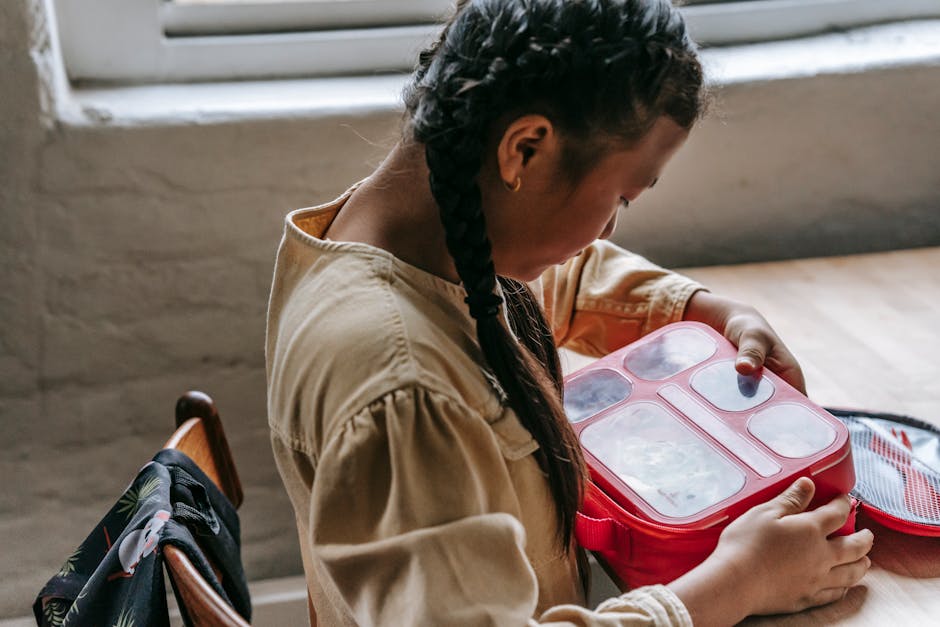
Spring season brings a flurry of activity—field trips to museums, choir competitions, track meets, and end-of-year celebrations. If you're like most parents, you've probably scrambled at 6 AM trying to pack a lunch that won't get squished in a backpack or spoil in the sun. Last week, my neighbor confessed she'd spent $40 on convenience store snacks because her daughter forgot her lunch on the bus to a robotics competition three hours away. Sound familiar?
Here's the thing: teaching your teen meal prep for field trips isn't just about saving money or ensuring they eat something besides gas station nachos. It's a life skill that builds confidence, independence, and practical nutrition knowledge. Research shows that teens who learn basic food preparation skills are more likely to make healthier choices in college and beyond. Plus, when your teenager can pack their own lunch, you get one less thing on your morning to-do list.
Teen Lunch Packing Tips
The Problem: Why Winging It Doesn't Work
Most teens have zero experience planning portable meals. They'll grab a bag of chips and call it lunch, or they'll pack a beautiful sandwich that turns soggy and sad by noon. Without guidance on teen lunch packing tips, they miss the basics: temperature safety, proper containers, balanced nutrition, and foods that actually travel well.
The stakes get higher when your teen is playing three hours of lacrosse in the spring heat or spending all day at an amusement park for the senior class trip. Poor nutrition choices lead to crashes in energy, mood swings, and sometimes stomach issues that ruin the whole experience. And let's be honest—field trip food is notoriously expensive and usually disappointing.
Start with Student Meal Planning Basics
Before your teen touches a cutting board, sit down together and talk through the big picture. Grab a calendar and mark every field trip, game, and outdoor event coming up. This visual exercise helps them understand why learning these skills matters now.
Building a Balanced Lunch Together
Walk through the "build a balanced lunch" formula together. Every packed meal needs:
Protein (keeps them full)
Complex carbs (sustained energy)
Fruits or veggies (vitamins and hydration)
Healthy fats (brain food)
Something fun (because life shouldn't be all carrots and hummus)
Write this formula on a sticky note for the fridge.
Understanding Pack-ability
Introduce the concept of "pack-ability." Not all foods travel well, and that's a lesson best learned at home rather than discovering your teen's backpack has exploded with yogurt. Talk about temperature danger zones—foods that need to stay cold below 40°F or hot above 140°F. Show them how ice packs work and why timing matters.
Pantry and Fridge Field Trip
Take a field trip to your own pantry and fridge. What foods do you already have that work for portable lunches? Get your teen's input on what they actually like eating. The world's most nutritious lunch means nothing if it ends up in the trash. This is also the perfect time to discuss any dietary needs of friends they might share with, building awareness around allergies and restrictions.
Youth Picnic Food Ideas That Actually Work
Now for the fun part—building a repertoire of teen portable lunch recipes that taste good, pack well, and provide real nutrition. The key is variety. Nobody wants the same turkey sandwich fourteen field trips in a row.
Sandwich Alternatives
Wraps stay fresh longer than bread and are less likely to get squished. Try whole wheat tortillas with rotisserie chicken, shredded cheese, lettuce, and ranch dressing wrapped tight in foil. Pita pockets filled with hummus, cucumber, and turkey make great teen hiking lunch ideas. For something different, teach your teen to make cold pasta salad with Italian dressing, cherry tomatoes, mozzarella balls, and salami—it's a complete meal in a container.
Protein-Packed Options
Hard-boiled eggs are incredibly portable and packed with nutrients—perfect for teen sports nutrition prep. String cheese, beef jerky, and nut butter packets (if allergies allow) require zero prep and store easily. Greek yogurt tubes that freeze overnight act as both ice pack and snack. For athletes, turkey and cheese roll-ups provide quick protein without bread that might get soggy.
Smart Carbs
Whole grain crackers, pretzels, granola, and trail mix give sustained energy. Mini bagels are sturdier than sliced bread. Rice cakes don't crumble like chips. For longer events like all-day competitions, pack a small container of dry cereal—it's comforting, familiar, and won't spoil.
Produce That Travels
Not all fruits and veggies survive backpack life. Cherry tomatoes beat sliced tomatoes. Whole apples travel better than sliced (but pack slices in lemon water to prevent browning if preferred). Baby carrots, snap peas, bell pepper strips, and cucumber rounds are hardy choices. Grapes frozen overnight stay cold and refreshing. Clementines come in their own natural packaging.
The Extras That Matter
Include napkins, hand wipes, and utensils if needed. A small trash bag tucked in helps your teen clean up and teaches environmental responsibility. For teen spring sports meals, add electrolyte packets or coconut water boxes. A square of dark chocolate or homemade cookie gives something to look forward to.
Teen Cooler Packing Guide and Prep Routine
The night before is when the magic happens. This beginner meal prep for teenagers routine takes 15 minutes once your teen gets the hang of it.
First, establish a dedicated lunch-packing station. Designate one shelf in the fridge for "field trip foods" and a cabinet spot for portable containers, ice packs, and bags. When everything has a home, teen packed lunch tutorials become much easier to follow independently.
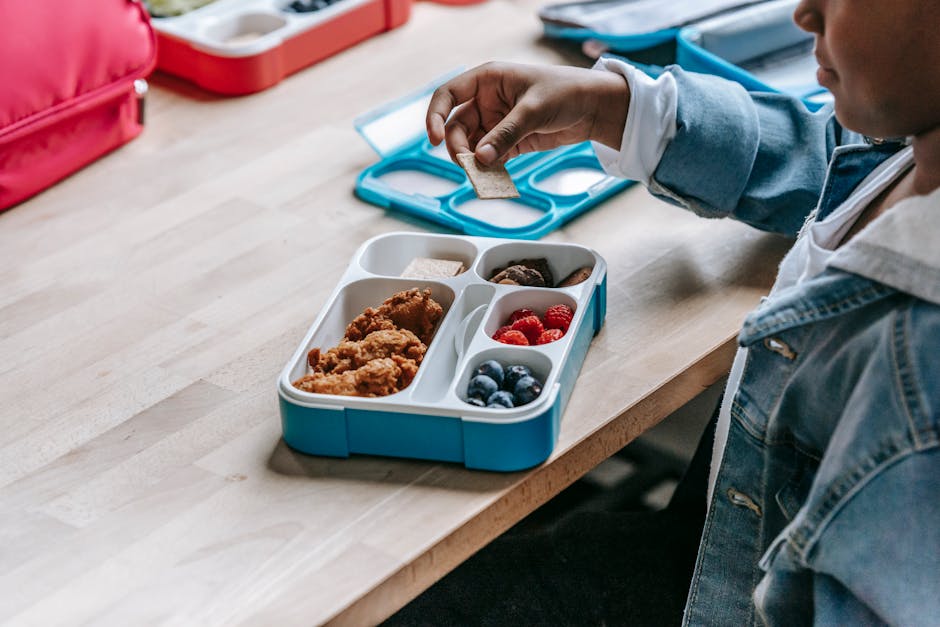
Teach the assembly line method. Lay out all containers first. Pack items that can sit at room temperature (crackers, pretzels, granola bars) first. Add cold items next, working quickly. Use multiple small containers rather than one large one—it keeps foods separate and fresh, plus gives built-in portion control for student picnic meal ideas.
Ice pack strategy matters more than you'd think. Freeze water bottles to serve double duty—they keep food cold and provide ice water by lunchtime. Place ice packs both on the bottom and top of the insulated bag. If packing hot foods in a thermos, preheat the container with boiling water first.
Size your lunch to the event. A two-hour museum trip needs less fuel than an eight-hour track meet. For longer days with teen athletic meal prep needs, pack two smaller meals instead of one large lunch—eating every few hours maintains energy better than one big meal.
Label everything with your teen's name. Seriously. When 40 kids throw bags in a pile, similar containers get mixed up. Painter's tape and permanent marker work perfectly.
Quick Wins: Start Here
Not ready to dive into full meal prep mode? Start small with these easy teen budget lunch ideas that build confidence:
This weekend: Make a master list together of 10-15 foods your teen likes that pack well. Laminate it or stick it inside a cabinet door.
Monday grocery run: Let your teen pick three new portable snacks to try. Give them a $10 budget and autonomy—it builds investment.
Tuesday night: Practice packing a complete lunch together for Wednesday, even if it's just a regular school day. Treat it as a rehearsal.
By Friday: Have your teen pack their own lunch independently with you nearby for questions only.
Next field trip: Let them handle the entire process from planning to packing. Resist the urge to take over, even if it's not exactly how you'd do it.
You're Building Independence One Lunch at a Time
Teaching teen meal prep for field trips gives your teenager tangible skills they'll use for years. That first time they pack a complete, nutritious lunch entirely on their own? That's growth happening right in your kitchen.
Some lunches will be perfect. Others will be forgotten on the counter or come home barely touched. Both outcomes teach valuable lessons. Your role is guide, not perfectionist—and that's exactly what your teen needs right now.
The spring season passes quickly. These field trips, games, and outdoor adventures are chances for your teenager to fuel their body, enjoy time with friends, and practice independence in low-stakes ways. Every lunch packed is one small step toward the capable young adult they're becoming.
What's your biggest challenge with getting your teen to pack their own lunches? Whether it's picky eating, time management, or just getting them interested in the process, there are strategies that can help. Reach out to WizardHQ@AngelinaAllsop.com with your specific situation, and let's talk about how to tailor these ideas to make them more relevant for your family. We're all figuring this out together.
 Skip to content